
What Makes Christmas Markets in England Special?
England puts its Christmas markets in some ridiculously good places, and that's most of why I love them.
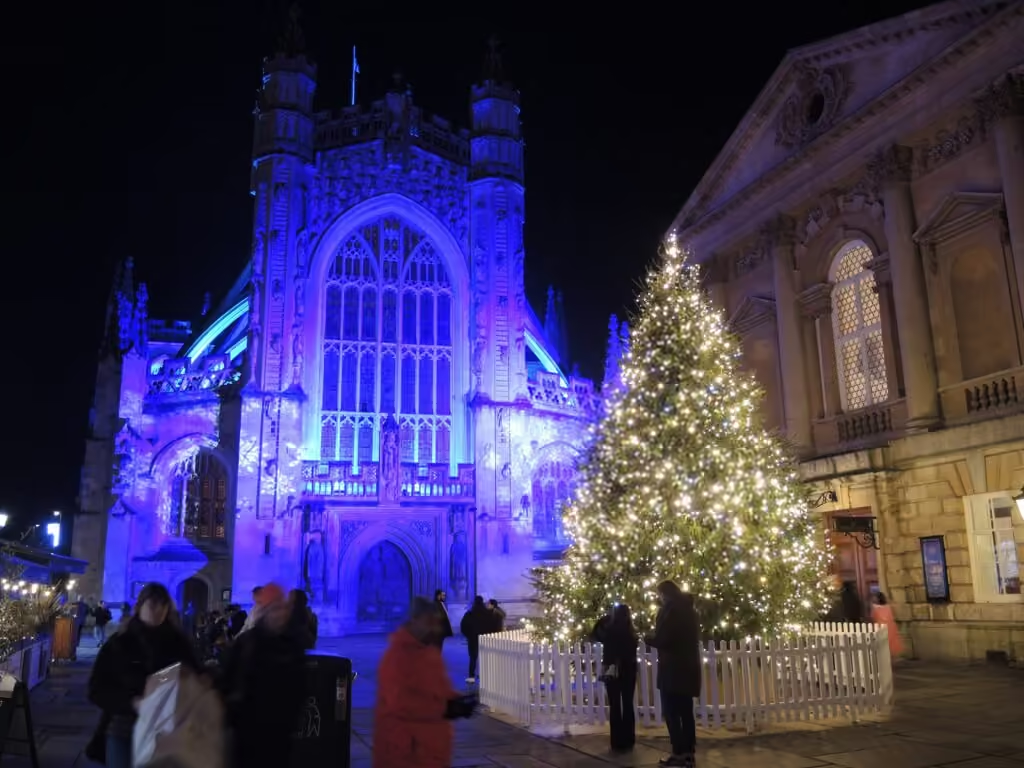
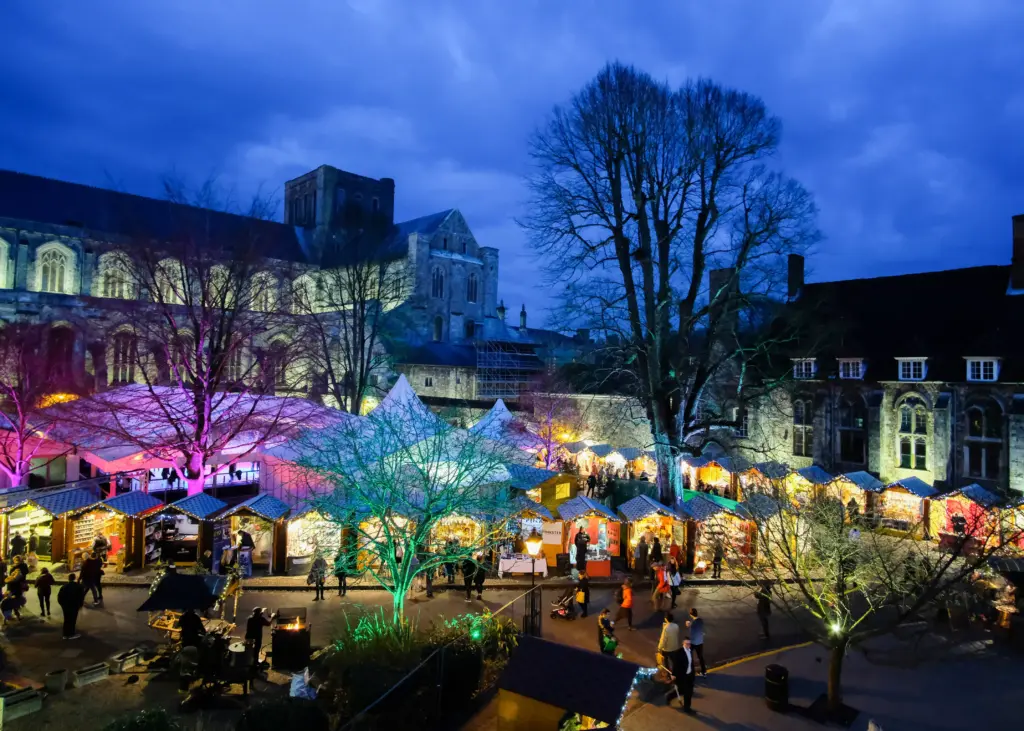
There are chalets threaded through Bath's Georgian streets with the Abbey over your shoulder, a ring of them round the Close at Winchester Cathedral and a run of Yorkshire traders five minutes from the Shambles in York, and a cup of mulled wine in any of those three is about as good as an English December gets.
The streets and the cathedrals are the English part, though. The markets themselves only came over from Germany just over forty years ago, so nobody in England grew up with a centuries-old one on the town square the way they did in Nuremberg or Strasbourg.
You can feel that in the big cities, where the food and drink is the draw and the gift stalls repeat themselves from one end to the other, so I go to Manchester, Birmingham and London for a brilliant night out and leave the shopping list at home.
Bath, Winchester and York are the three I'd travel for, because each of them is built around a setting and its local makers.
And because nearly all of the Christmas markets in England sit on a main line out of London, two or three very different ones fit into a single trip, with Bath only about an hour and a quarter from Paddington.
When Are the Christmas Markets in England in 2026?
The Christmas markets in England run from Saturday 31 October 2026 to Monday 4 January 2027, starting with London, then Birmingham's Frankfurt market on Thursday 5 November and Manchester the day after.
Entry is free everywhere except Peterborough (£5) and Hyde Park Winter Wonderland in London, where you book a timed ticket.
The trouble is that the markets I'd send you to first are the ones that finish earliest. Bath only runs from 26 November to 13 December, which is 18 days, and York's St Nicholas Fair ends on Monday 21 December (Peterborough's market inside the cathedral is shorter still, three days from 20 to 22 November).
So I'd pick the dates before the city. Between 26 November and 13 December every market is open at once (bar Peterborough), and a Monday to Wednesday inside that window gets you the best markets in the country with room to stop at the stalls, as long as you keep York for the Monday or the Wednesday.
The first weekend of that window, 28 and 29 November, is the one to avoid by train. There are no GWR trains from Paddington, which is how you'd normally get to Bath (an hourly train runs from Euston instead), nothing is running between King's Cross and Peterborough, which is the line to York, Leeds and Newcastle, and on the Sunday it's buses for part of the way to Winchester.
The weekend after, 5 and 6 December, there are no trains between St Pancras and Bedford, which is the line to Nottingham.
How English Christmas Markets Started
It all started in Lincoln, in 1982, when three councillors came back from the Christmas market in Neustadt an der Weinstrasse, Lincoln's twin town in Germany, and liked it so much that they set up their own with 11 stalls.
York started its St Nicholas Fair in 1992, and the big cities piled in after that. Frankfurt sent Birmingham a market as a one-off present in 1997 and it came back for good in 2001, Manchester put its first stalls on St Ann's Square in the late 1990s, and Bath opened in 2001.
Not all of them stayed German. Leeds had a full Christkindelmarkt from 2002 to 2019 and never brought it back, and this year its market is 60-odd Yorkshire traders outside the station, which is much more the kind I come home happy from.
Lincoln's own market just kept growing, from those 11 stalls to more than 320,000 people over four days in 2022, which is 80,000 a day, and in 2023 the council decided that was too many to keep safe and scrapped it for good.
So Lincoln's Christmas market no longer runs, and yes, England's first Christmas market really was cancelled for being too popular, which I still can't get over.
It's a fitting ending, because crowds are the real problem at English markets, much more than the cold.
The Best Christmas Markets in England
If you only go to one, make it Bath, and if you've got a second day in you, add York or Winchester.
Bath (My Pick)
The Bath Christmas market is the best in England, and it's where the shopping list comes back out.
More than 180 chalets run through the Georgian streets around the Abbey and the Roman Baths, and eight in ten of the 245 traders come from the South West, which means you're buying Somerset cider, cheese and ceramics from the people who actually made them. It comes top of the English cities on our Index too.
Everyone else has worked that out as well. About 440,000 people squeeze into those 18 days, the streets are narrow and there's no one-way system, so a Saturday afternoon turns into a slow shuffle where you can't really stop at anything, and I wouldn't do that to myself again.
Go to Bath on a Monday, Tuesday or Wednesday, in the morning if you can (Tuesdays and Wednesdays have quiet shopping hours from 10:00 to 12:00).
Then book a couple of hours at Thermae Bath Spa for when your feet give up, because it's £42.50 on a weekday and sitting in hot water in a rooftop pool in December is the best end to a market day I know.
York (The Most Christmassy)
York is the most Christmassy place in England, if you ask me, and it would be without a single chalet.
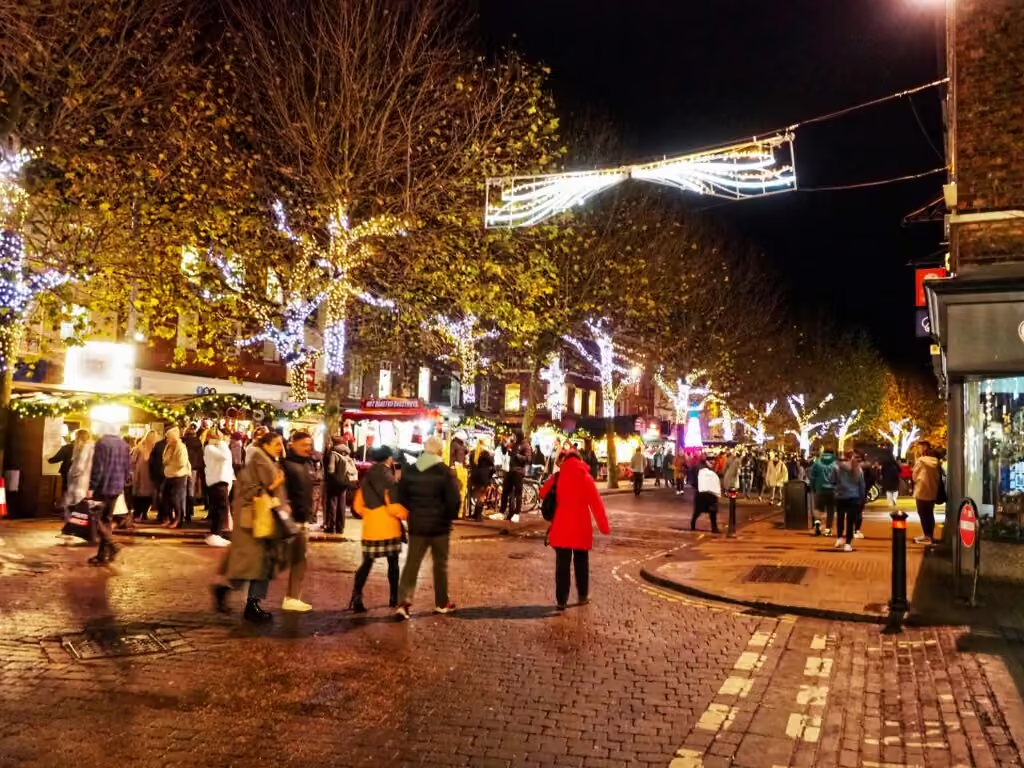
The York Christmas market is the St Nicholas Fair, from 12 November to 21 December, with its chalets on Parliament Street and St Sampson's Square and most of its traders from Yorkshire. Walk five minutes from there and you're in the Shambles or under the Minster, in a medieval centre that looks like it was built for December.
The market itself is small and heavy on pies and scotch eggs, and it won't fill a day on its own. York will, though, between the Minster's Christmas Tree Festival (from 28 November), the Shambles and the city walls, so I treat the chalets as the place I keep drifting back to between everything else.
All that drifting needs room, so I'd go on a Monday or a Wednesday morning, when you can actually stand at the stalls, because weekends pack those narrow streets so tight that browsing stops and York's market is shut on Tuesdays this year, for the first time.
Winchester
Winchester is 57 minutes from London Waterloo, with three trains an hour, and it's Bath with the volume turned down.
The whole run, from 20 November to 22 December, had just under 120,000 visitors last year, when Bath gets more than three times that in 18 days, and the Winchester Christmas market sits in the cathedral's own Close, right under the west end of one of England's great medieval cathedrals.
A Makers' Market and a Hampshire Fare chalet keep the gifts local, so I'd do my shopping in the Close and my eating and drinking in town, because a small mulled wine in Winchester was £8.50 last year, the most I've seen anywhere in England, and I'm still wincing.
Manchester
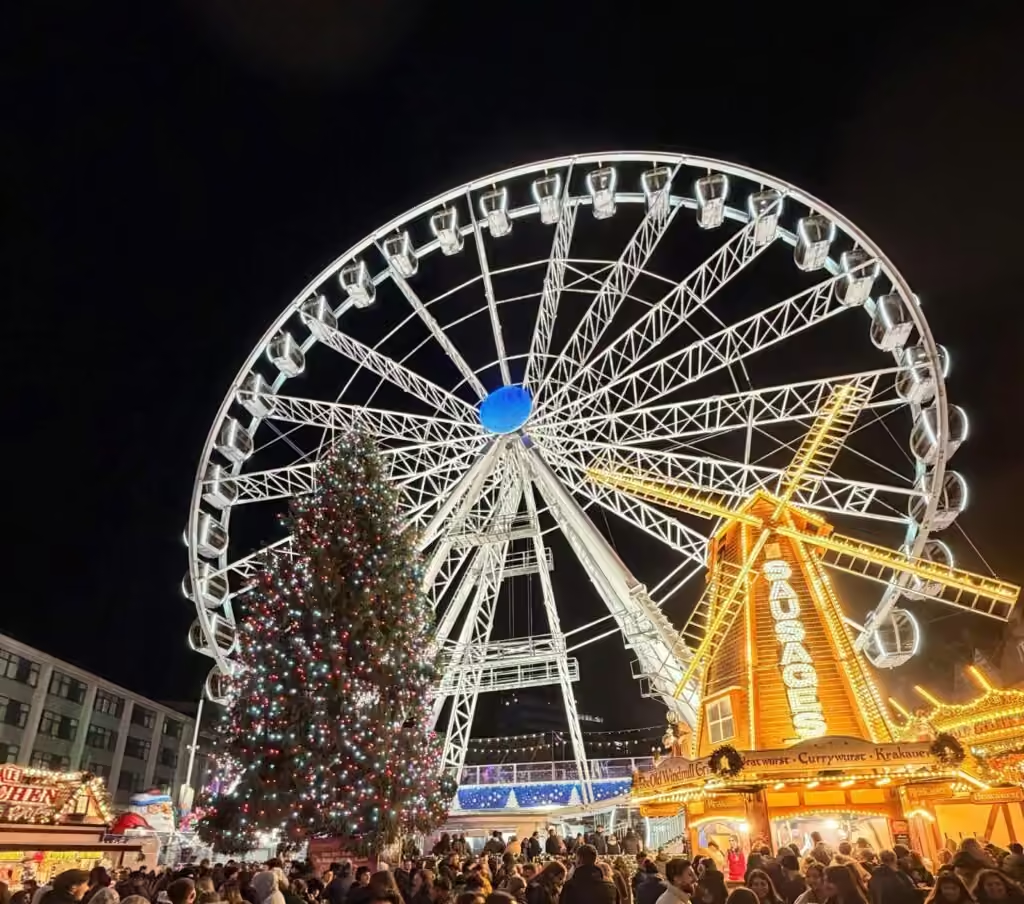
Manchester is the biggest Christmas market in England, with ten sites and more than 200 stalls spread from Cathedral Gardens to Albert Square, where the big wheel turns in front of the Town Hall.
The Manchester Christmas markets are all free and you can walk the lot in one evening, which is why I love them, because it's one long wander with a new square every few streets.
The full ten-site version lasts until 22 December, when most of Manchester's sites pack up, and after that it's Albert Square and the rink at Cathedral Gardens through to 3 January.
So eat your way round, because that's the great night Manchester gives you, and don't expect it to be cheap (a pie and mash was £13 last year). Some of the bars blast dance music over the top of everything, and that's the one thing about it that drives me mad.
Newcastle
Newcastle has Grey Street, and Grey Street wins me over every time.
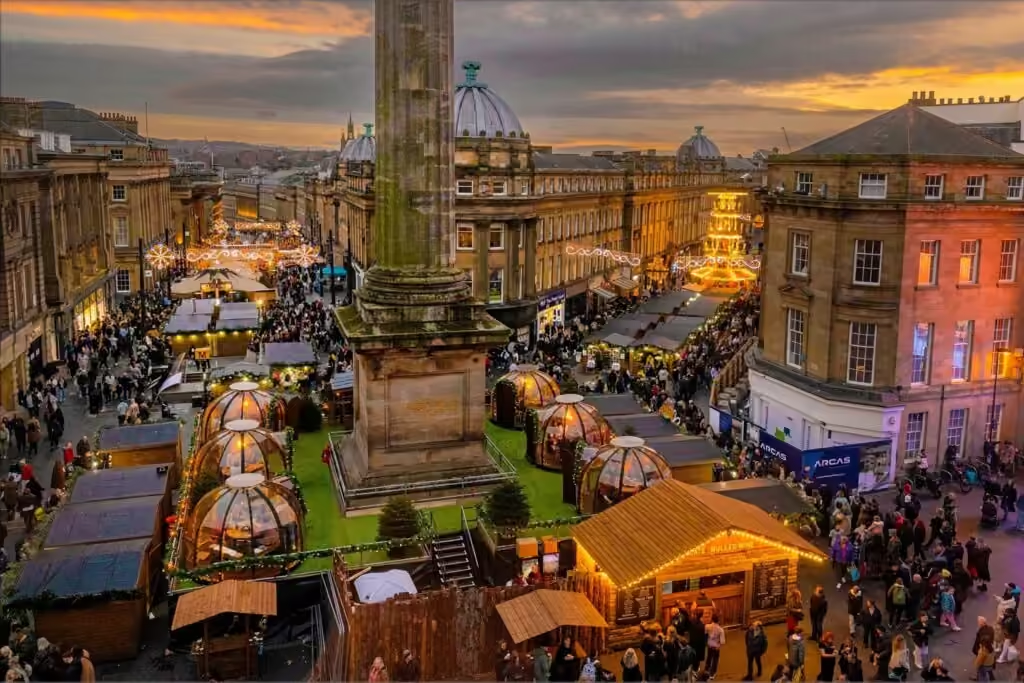
The stalls of the Newcastle Christmas market run from Grey's Monument down that long Georgian curve, and nearly all of the 70-plus traders come from within 20 miles of the city, which you can taste.
Food is what Newcastle does best, from the Geordie bangers to the Greek gyros and the mac and cheese, and if you're after gifts you'll find more fudge and hot sauce than crafts.
It runs from 19 November to 23 December, two days longer than York at the far end, and since the two are on the same line they're my favourite pairing in the north.
London
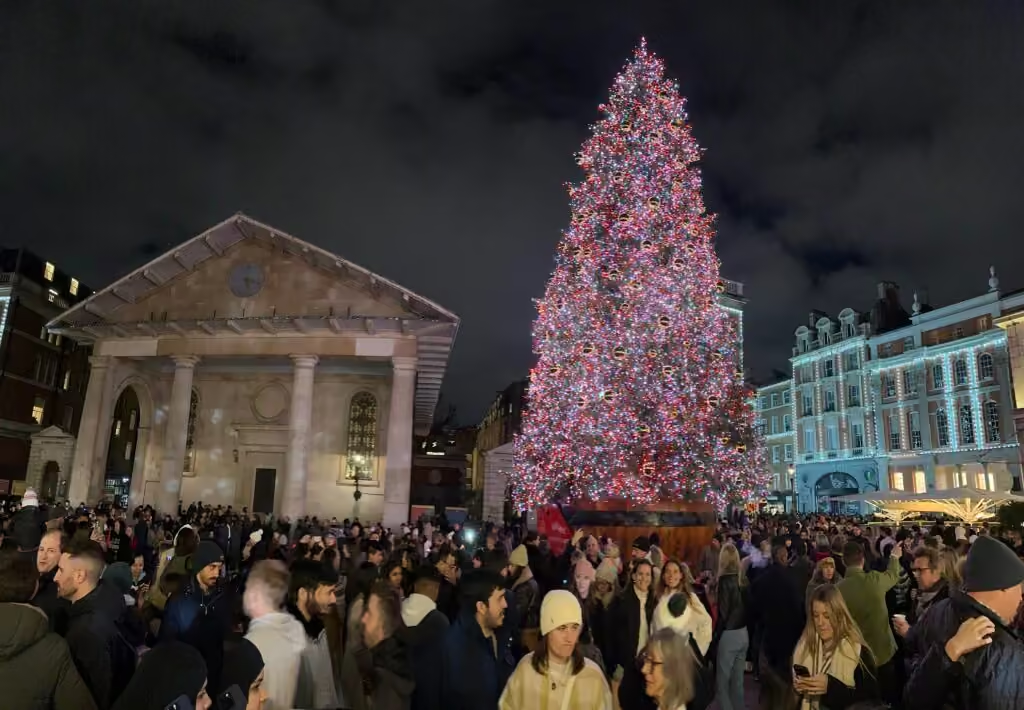
I never do London as one market, because Christmas there is spread across a whole string of them along the Thames and through the West End, and the best evening the London Christmas markets have got is a few of them stitched together on foot.
I'd start at Southbank on a weekday afternoon, under the London Eye, and finish with a drink upstairs at Winter by the River, looking straight at Tower Bridge, which is my favourite hour of a London Christmas.
Hyde Park Winter Wonderland is a funfair and I'd treat it like one. It's timed tickets, crowds you can barely move through and mulled wine that was £7.40 last year, so keep Hyde Park to one night of rides, and only if you've got kids or a group with you.
Chester, Leeds, Birmingham, Nottingham and Peterborough
The other five I'd add to a trip, or do because I was nearby.
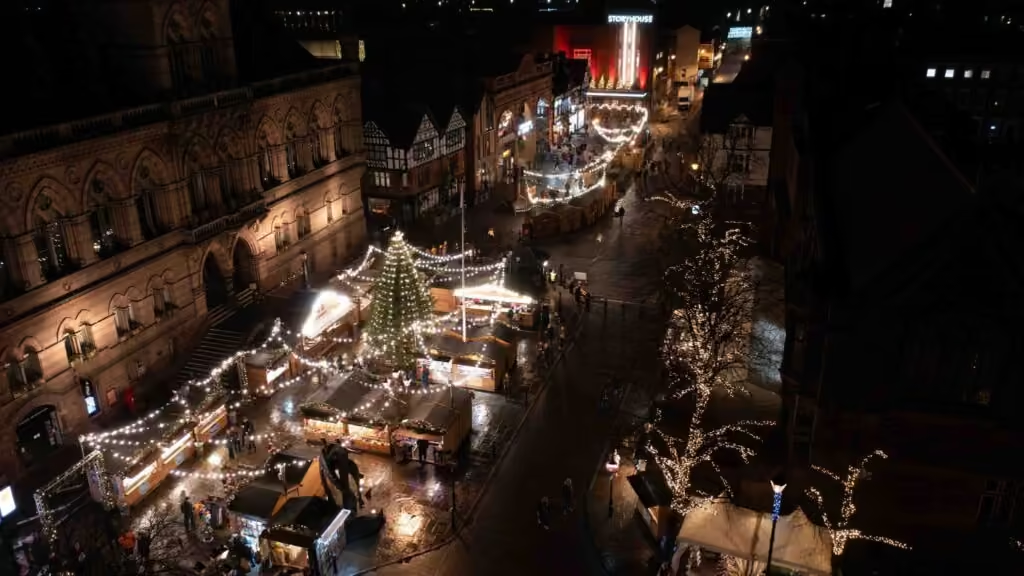
- Chester pairs with Manchester, because the market takes about an hour and the Rows, the city walls and the Cathedral fill the rest of the day.
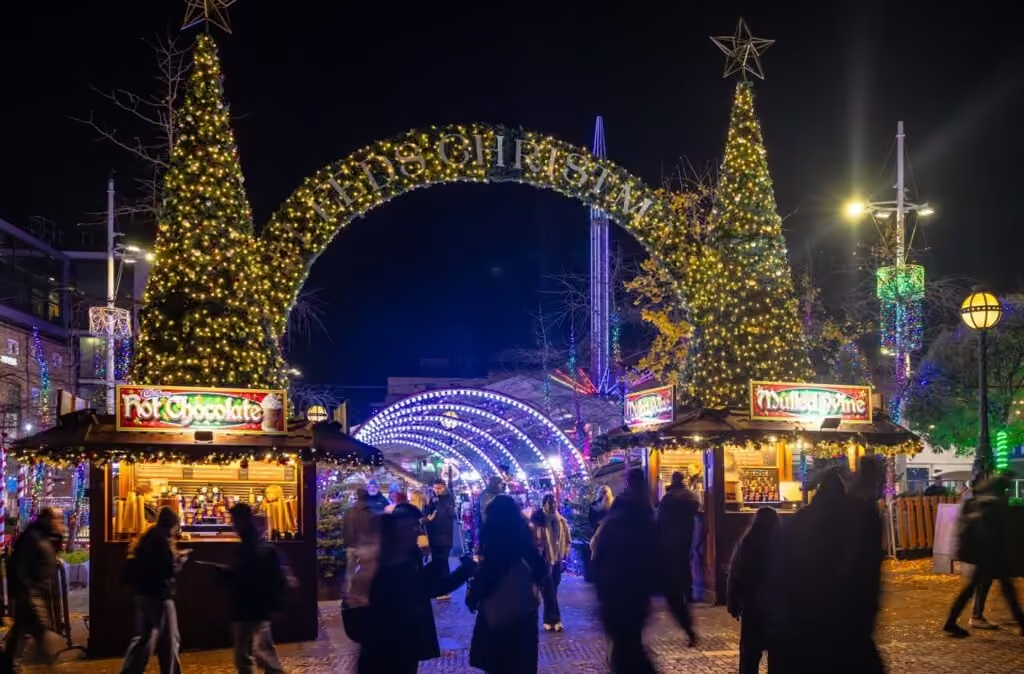
- Leeds puts its Yorkshire traders right outside the station, and the food from the city's independent kitchens is the reason to stop on your way to York.
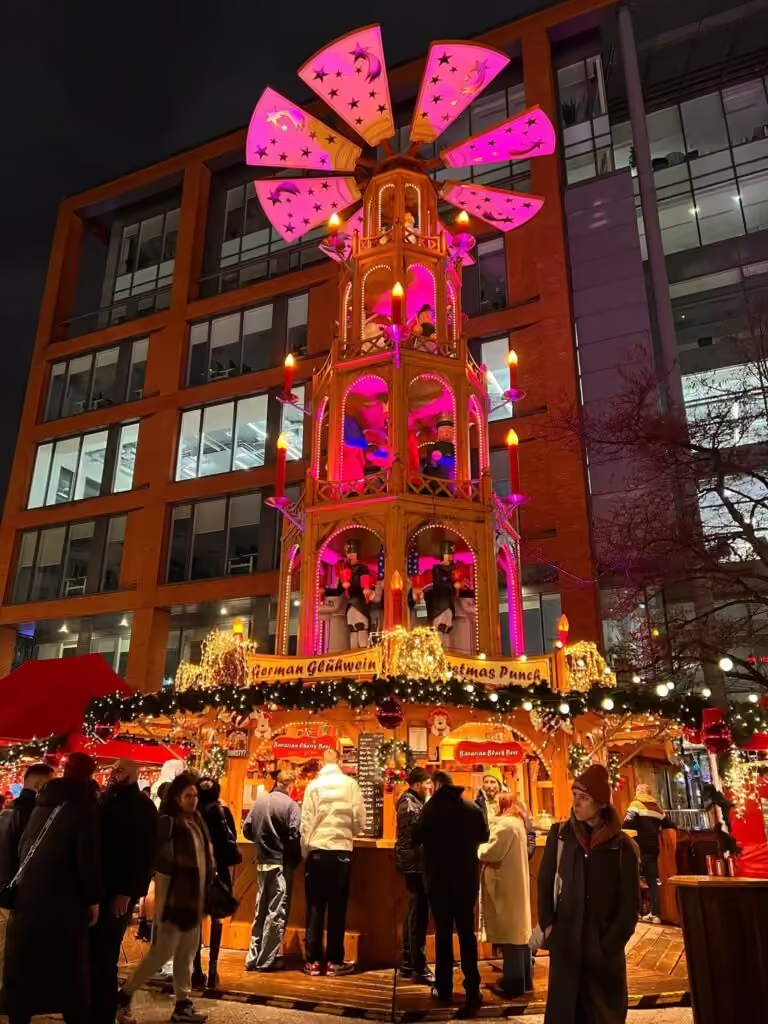
- Birmingham is the German one, sent over by Frankfurt, its twin city, and open until Christmas Eve. It's a bratwurst and a stein under the singing moose on a weekday evening, and the shopping can wait for somewhere else.
- Nottingham is a night out on one square, with an ice path that runs above the chalets, so you skate looking down on the market. The chalets won't hold you for long, so make the skating your reason to go.
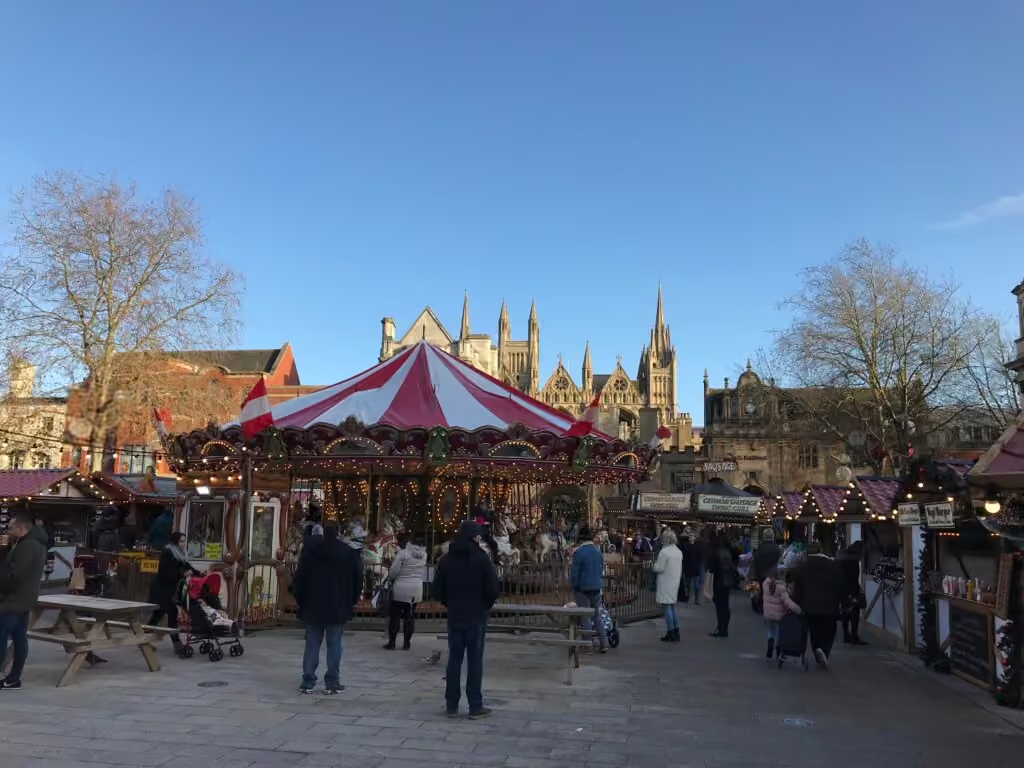
- Peterborough is a craft fair inside a Norman cathedral for three days only, 45 minutes from King's Cross, and I love that it exists. The Friday is the day for it, because it stays open until 20:00 and the city's lights are switched on outside at 19:00.
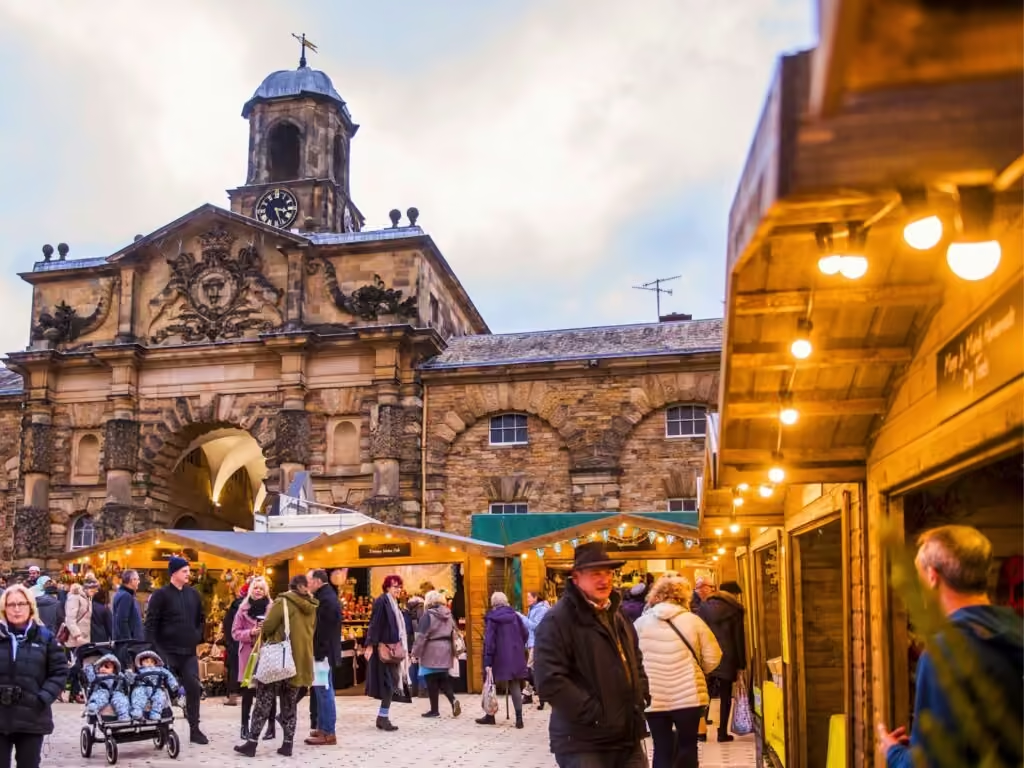
Three more belong on the map, even without a big city behind them. Chatsworth puts more than 100 stalls on the drive up to the house from 7 November to 13 December, and it's worth a whole day if you book your parking before you go.
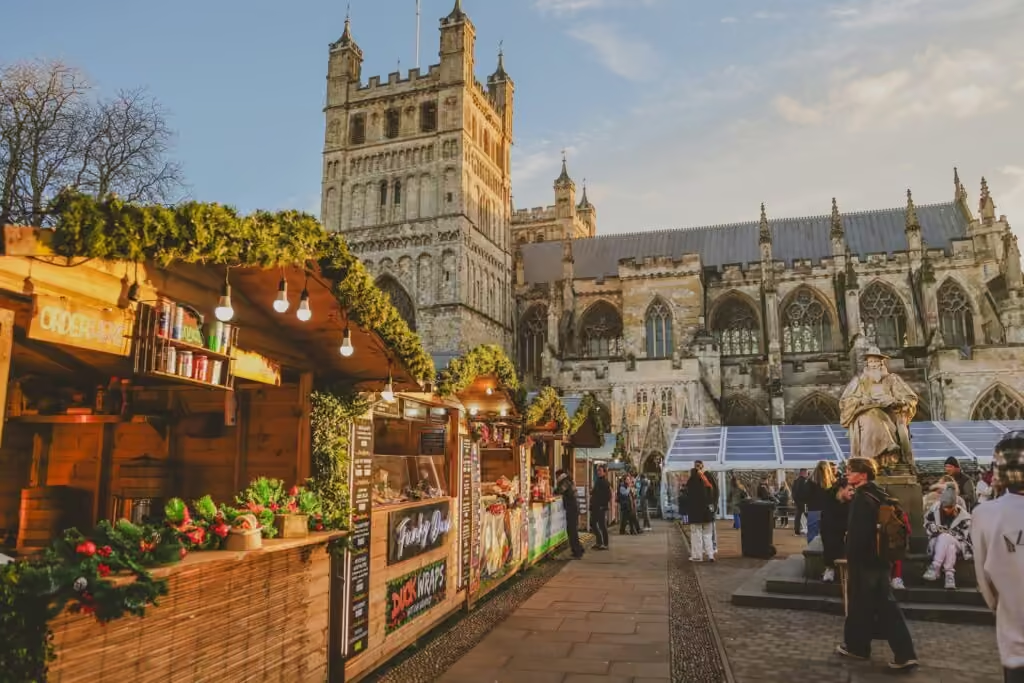
Down in the south-west, Exeter fills its Cathedral Green until 13 December, and Bristol's market is 11 minutes from Bath by train, which makes it an easy second stop.
What Do English Christmas Markets Cost?
Walking in is free almost everywhere, and then the drinks get you. Last year a mulled wine ran from £5 in Leeds to £8.50 for a small cup in Winchester, so the same drink can cost you up to £3.50 more under the cathedral than it does outside Leeds station.
In between, Chester was £5.50, Nottingham £6, and Manchester and Newcastle £6.50, and Chester and Manchester add a refundable deposit of £3 to £3.50 on the mug.
Food is where it really adds up.
A gyros was £11.50 in Nottingham and £12 in Chester last year, and a Yorkshire pudding wrap in Leeds ran up to £14, so a snack and a drink each for two people can get close to £40.
The crowds bother me more than the prices do. Weekends are when the markets are at their worst, Saturdays above all, so if a weekend is all you've got, be there when the stalls open.
What's the Weather Like in England in December?
Milder than you'd think, and wetter.
December days sit around 8 or 9°C and nights around 3 or 4°C, it rains on somewhere between 12 and 18 days of the month depending on the city (Manchester is the wettest), and since it's dark by about 16:00, the lights are on by mid-afternoon, which suits me fine.
You can forget snow, though. Our snow odds study puts it at 0 to 2% of market days across England, so pack a waterproof and decent boots before you think about a big coat.
How to Combine Them by Train
Pick cities on the same railway line and it's hard to go wrong, whether you're keeping to the south of England (Bath, Winchester and London) or the north (York, Newcastle, Leeds, Manchester and Chester).
I'd pair a pretty one with a big one, so the second market doesn't feel like the first one all over again.
- York and Newcastle are 49 minutes apart on the East Coast line, medieval lanes one day and a Georgian street the next, and Leeds is 21 minutes from York if you want a third.
- Bath and London work with London as the base and Bath as the day trip, which leaves the river markets for your evenings.
- Manchester and Chester are 48 to 55 minutes apart, so it's the ten-site crawl one night and the walled city the next day.
- Manchester and York are 1h11 apart on a direct train, which gets you the biggest and the most Christmassy in one trip.
- London and Winchester are under an hour apart, so the cathedral market is an easy afternoon out of a London break.
- Birmingham and Nottingham are 1h05 apart and both trade until Christmas Eve, which makes them the pair for a late trip.
Two or three is plenty, because the big-city markets share a lot of the same stalls and by the fourth you'll have seen every wooden ornament in England.
So for a first trip I'd keep to one line, straight up the East Coast from King's Cross. York is 1h45 from London, Newcastle comes next, and if you stay on for another 1h21 you're in Edinburgh.
Crossing the Border
Edinburgh is where I'd cross first. The Edinburgh Christmas market sits under the castle in Princes Street Gardens, it runs Bath very close for the best market in Britain, and Edinburgh stays open until 3 January 2027, long after Bath, York and Newcastle have packed up.
That makes the Christmas markets in Scotland my answer when your dates fall after Christmas.
If it's a continental market you're after, the border to cross is the one under the Channel.
Lille is 1h22 from St Pancras on the Eurostar, and the Lille Christmas market gives you 90 chalets and a 50-metre wheel in a Flemish old town that works as a day trip with no hotel, while the Brussels Christmas market is just under two hours away, with a free light show on the Grand-Place.
And if what you really want is a German market, the nearest England gets is Birmingham.
Cologne is 4h11 from St Pancras with one change, and the Christmas markets in Germany are in a different league for size and for how long they've been at it, but England's are closer and easier, and for a long weekend that's all I need.
Christmas Week in England
Most English Christmas markets are gone before Christmas Eve, which matters a lot if your time off only starts on the 24th. Bath finishes on 13 December, York on the 21st, Winchester, Chester and most of Manchester on the 22nd, and Newcastle on the 23rd.
On Christmas Eve itself you've got Birmingham and Nottingham on their last day, Manchester's Albert Square and Cathedral Gardens from 10:00 to 17:00, and London, where Southbank and Hyde Park keep their normal hours, and London is where I'd be.
Everything is closed on Christmas Day, and there are no trains anywhere in the country that day and next to none on Boxing Day, so wherever you wake up on the 25th is where you're staying.
Between Christmas and New Year it comes down to London and Manchester for stalls, plus the rinks, wheels and bars that Nottingham, Leeds and Newcastle keep going until 31 December.
London runs the longest of any English city, with Southbank open to 4 January (it's shut on New Year's Eve) and Hyde Park and Winter by the River to 3 January, and Albert Square in Manchester lasts until 3 January as well, with a late one until 00:30 on New Year's Eve.
So, Are English Christmas Markets Worth It?
Yes. They're young, they're pricey and on a Saturday they're a scrum, and I'd still go back to Bath on a Tuesday morning every single year.
Give them a long weekend and they're brilliant, especially if you live a train ride from any of them, and they're at their best when you let the city do half the work, the way York does with the Minster and the Shambles and Bath does with a couple of hours at Thermae.
Pick your dates first, then your city. If you can travel between 26 November and 13 December, do Bath midweek. If you can't, take the East Coast line to York and Newcastle, and carry on to Edinburgh if you've got the days.