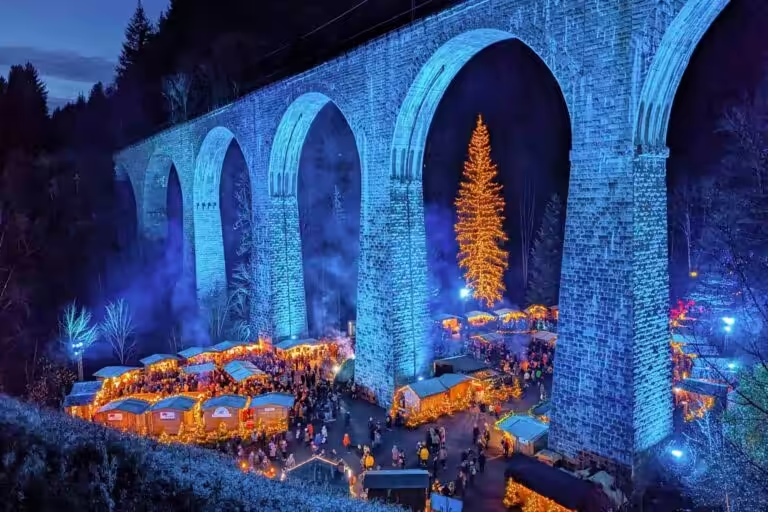
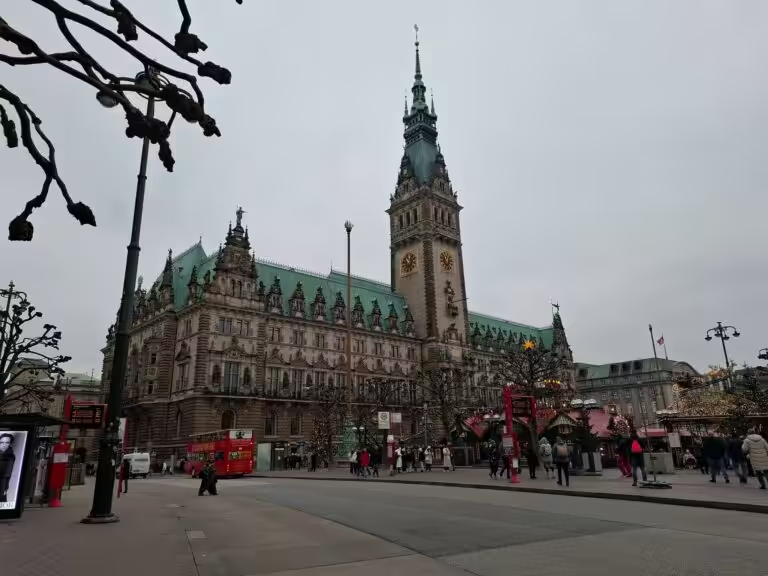
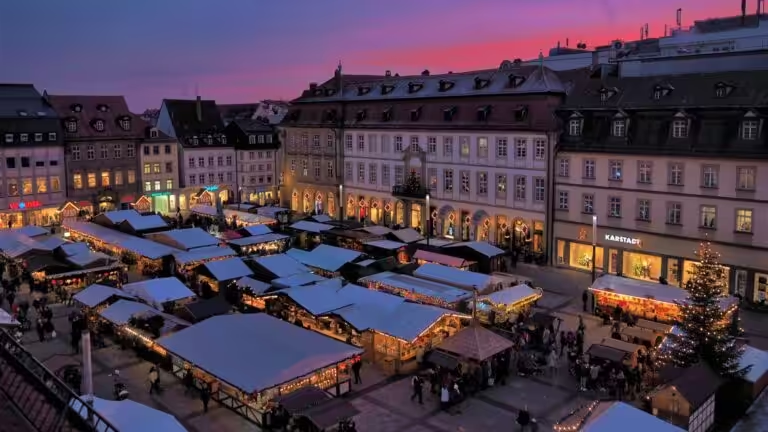
Is there a best German Christmas market? Yes. Also no.
I'll try my best defending both answers, because it all depends on what you actually want from your next December trip.
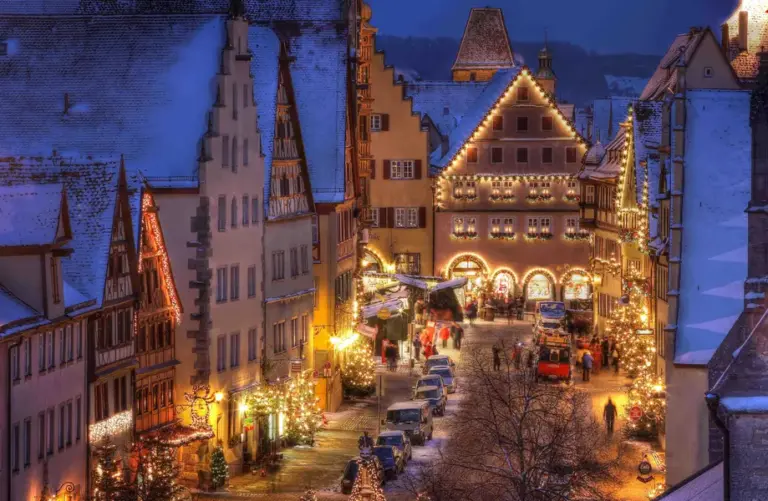
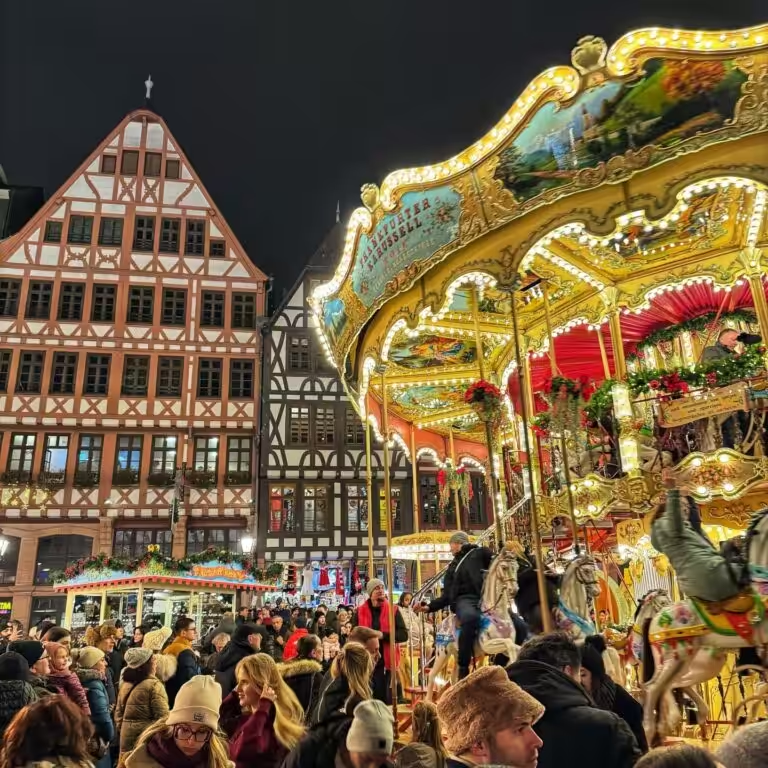
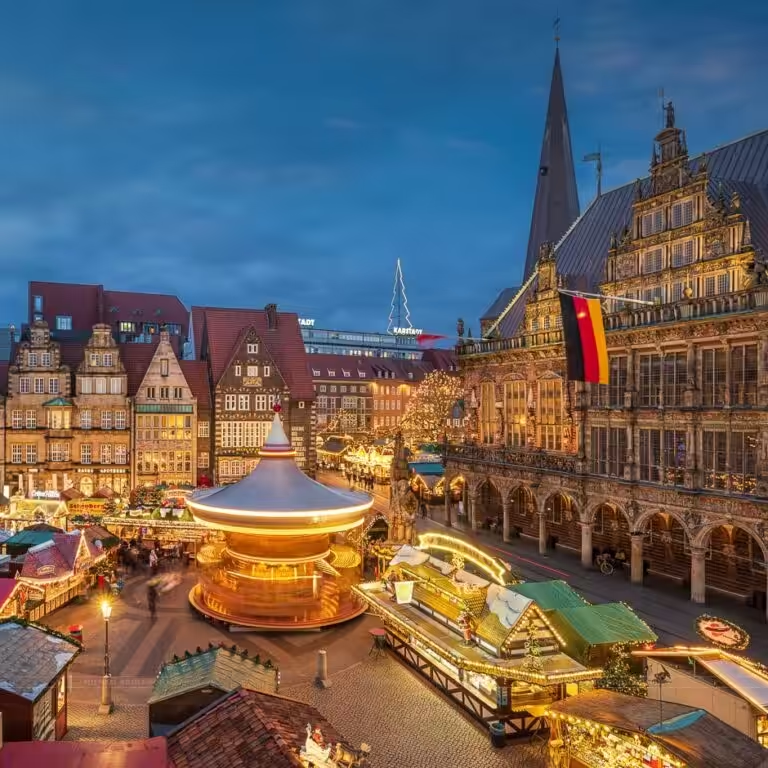
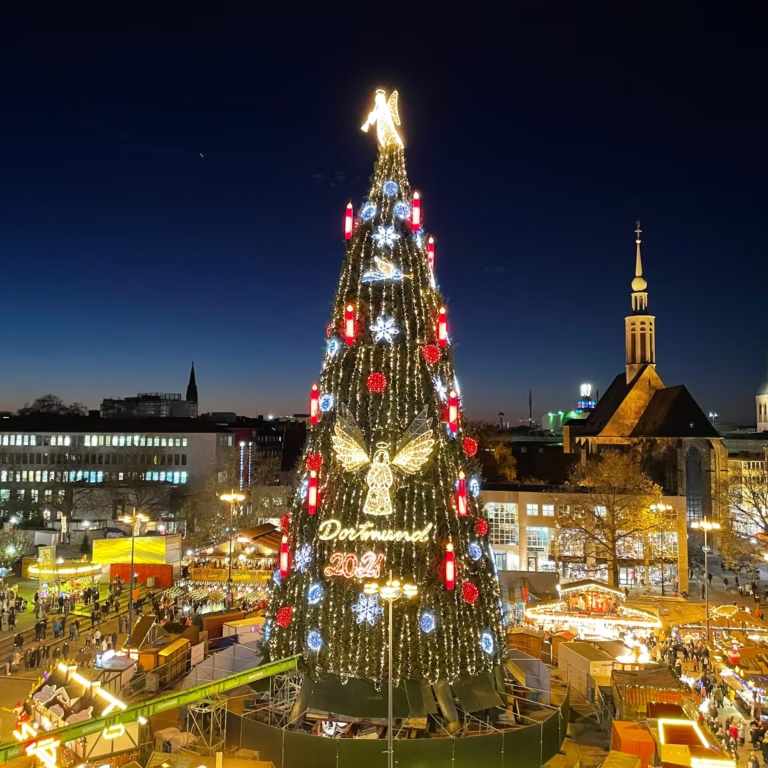
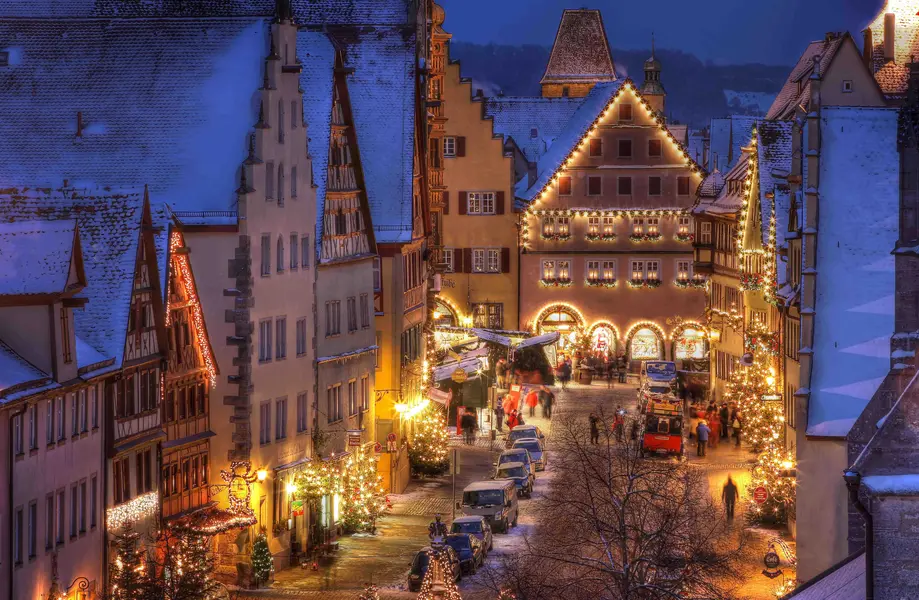
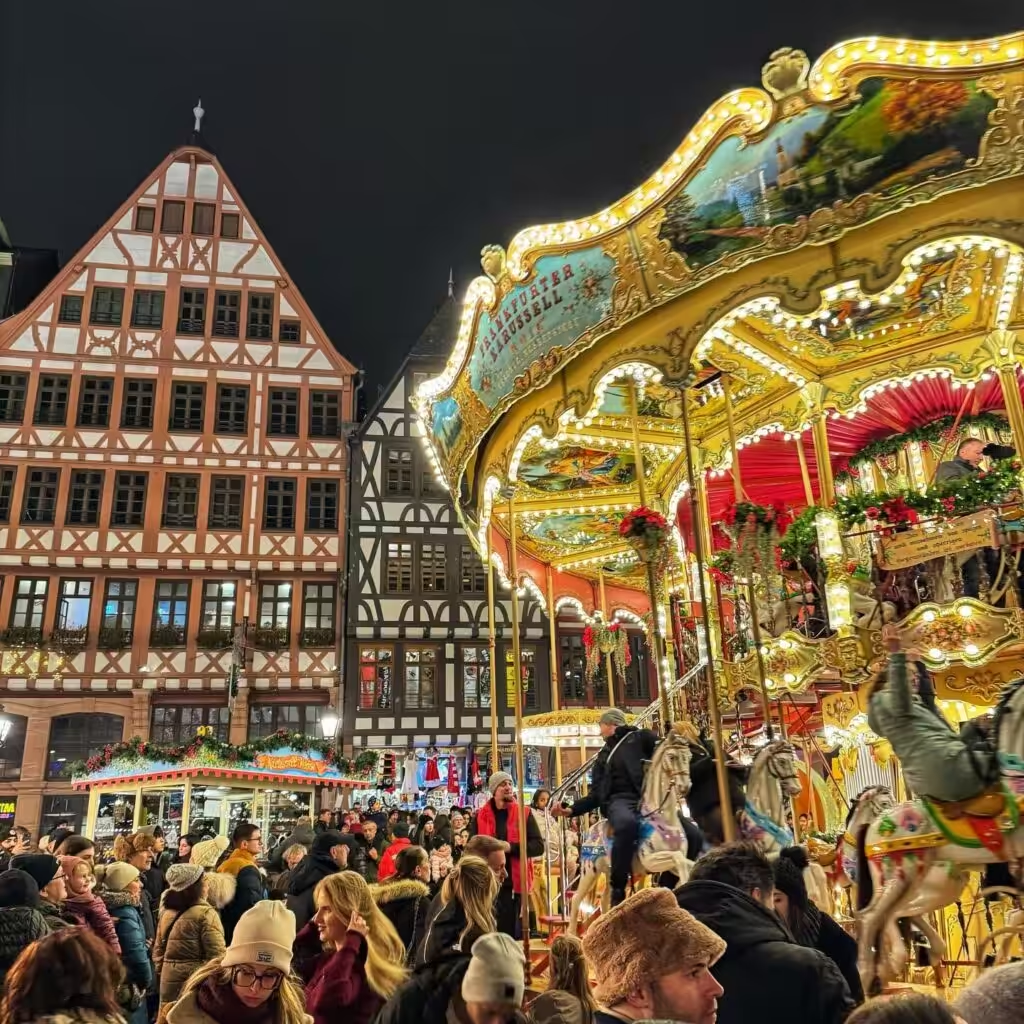
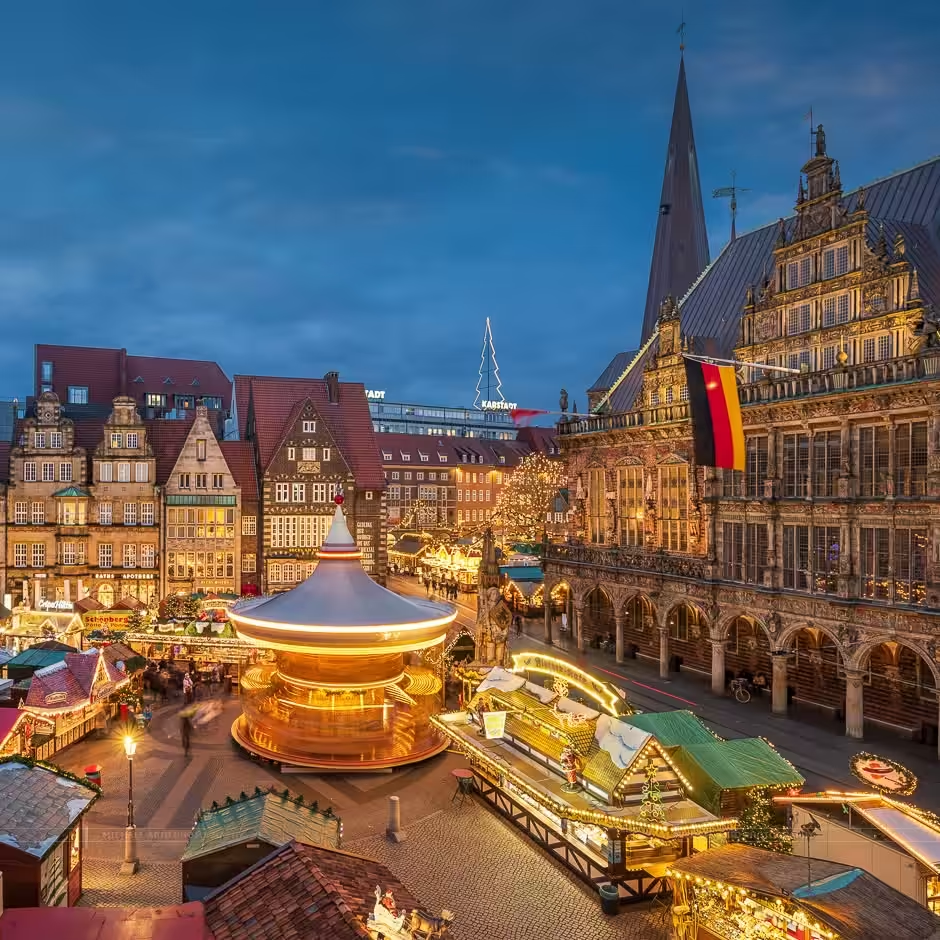
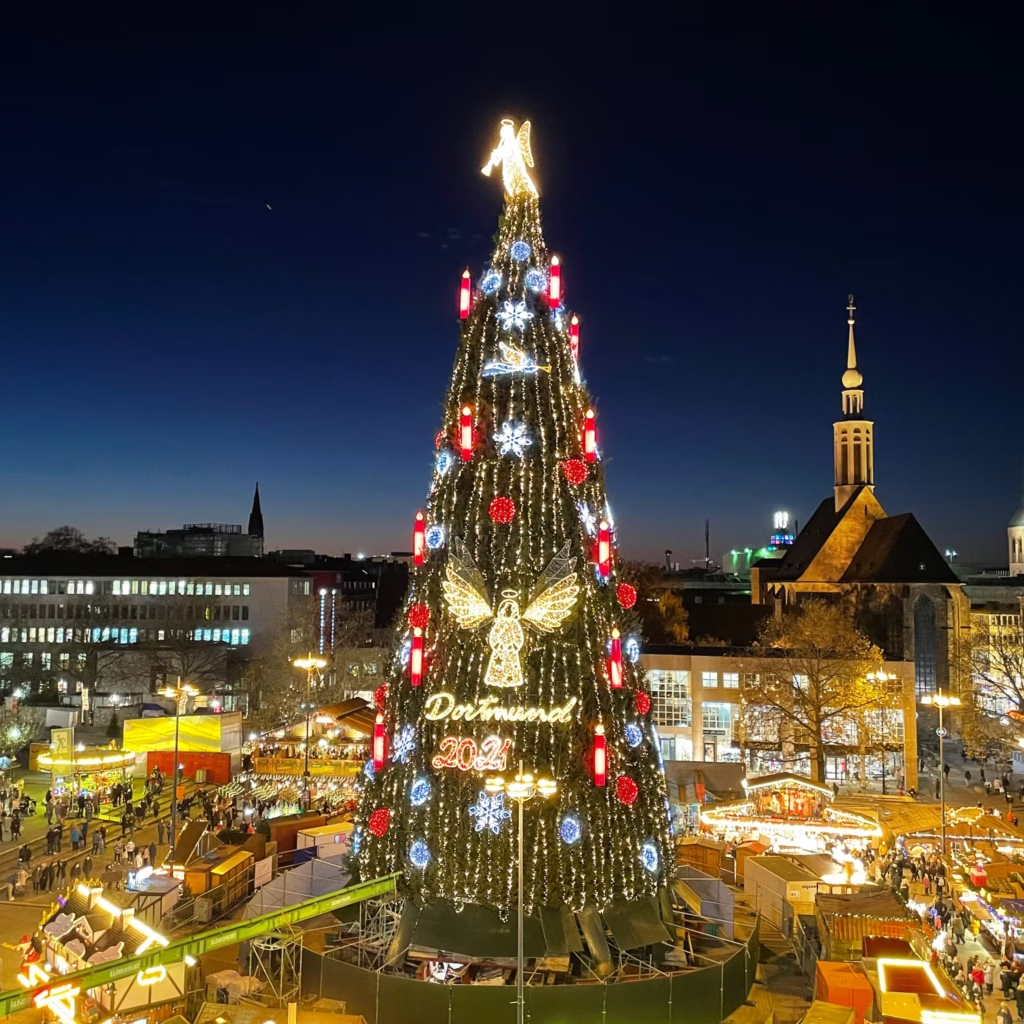
Here's what I mean by this. Germany doesn't have one great Christmas market as you probably know yourself. It has thousands of them, spread across essentially every city and a suspicious number of towns, and they range from "wooden stalls, teen angel on a church balcony, mulled wine older than your grandmother's recipe book" to "six ferris wheels and a bratwurst vending machine."
Also, the market that's best for a first-timer who wants the postcard is a bad fit for someone who'd rather eat their weight in stollen in a crowd-free small town.
Since I run the Christmas Market Index here at ChristmasWanders, I visit these markets and try to (objectively) score them with one published method, which means you can compare one against another without trusting a tourism board, necessarily.
And Germany is the country I get asked about most, by a mile, by the way, so this is my full guide: why Germany at all, a short history (including the fights over which market is oldest), how many markets there really are, how to pick yours, what you must eat and do when you get there, which ones I'd probably skip, and a complete multi-city itinerary with the trains, the days, and the bases.
Ready? Grab a mug of something warm (coffee, because what else?). This is a long one.
Why Germany? What Makes German Christmas Markets Different
Let’s start with the claim most every other country probably resents. Germany invented this whole thing. The Christmas market is a German format, born in German-speaking lands in the late Middle Ages.
The rest of Europe, like Strasbourg, Vienna, Prague (literally all of them) is running some version of German software. When towns from Osaka to Chicago put on "European-style" Christmas markets, the template they're copying is German.
But "we invented it" is a really lazy version of the argument. Plenty of countries invent things and then lose the plot, and that doesn’t necessarily make them the best at it.
What makes German markets different is for the most part quality control, and it’s a part I rarely hear outlined clearly. Germany treats its markets like a protected craft tradition and like they run nearly everything else in their country (with rules and an iron fist).
The commercial instinct in Germany’s Christmas market is on a leash:
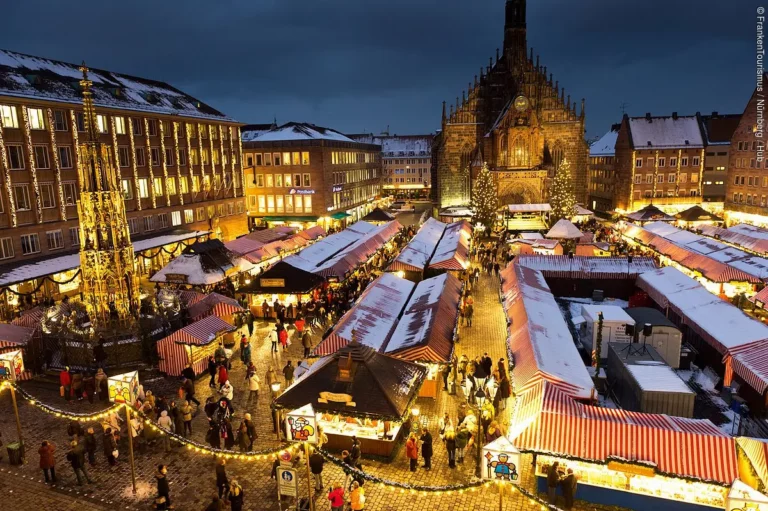
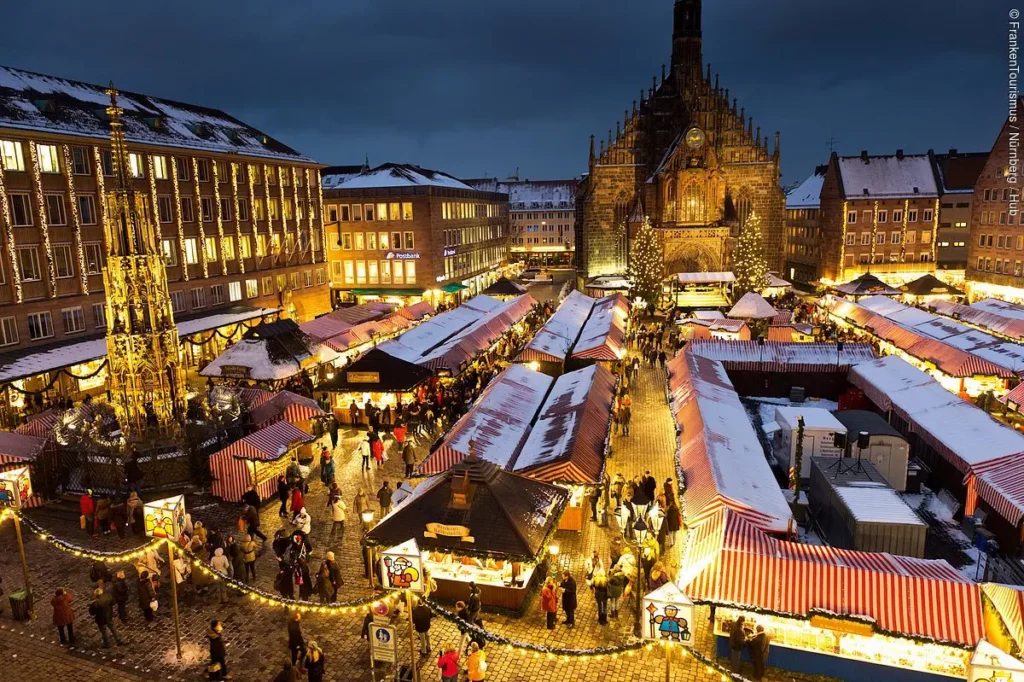
- Nuremberg bans plastic and tinsel from its main square. Mass-produced goods can't get a stall. I love this rule so much I'd marry it, honestly.
- The food is legally protected. Nürnberger Lebkuchen has been a protected designation of origin since 1996. If the gingerbread carries the name, it was baked inside the city walls. The Nürnberger Rostbratwurst carries a protected geographical indication too, meaning the tiny sausage in your bun is the legally-certified real thing, made to a recipe roughly 700 years old.
- The stalls skew craft, not tat. The best German markets enforce stall rules, so you get glass-blowers, woodcarvers, and confectioners instead of the identical "socks and phone cases" stalls that have colonized so many markets elsewhere.
There's also a social layer that's often easy to miss as a visitor.
For Germans, the market is an after-work ritual where you meet your colleagues at 6pm, drink one glühwein, complain about the cold, and then go home.
It's a treasured social tradition, sort of a weekly fixture of Advent, and not a tourist exhibit the locals got priced out of. That's why the atmosphere holds up even on a Tuesday in mid-December when the tour groups are simply not there.
A Short History of German Christmas Markets
The short version is that the Christmas market started as a meat market. But the longer version is much better, so stay for it.
Advent used to be a fasting season, and medieval Germans needed somewhere to stock up for the Christmas feast when the fast broke.
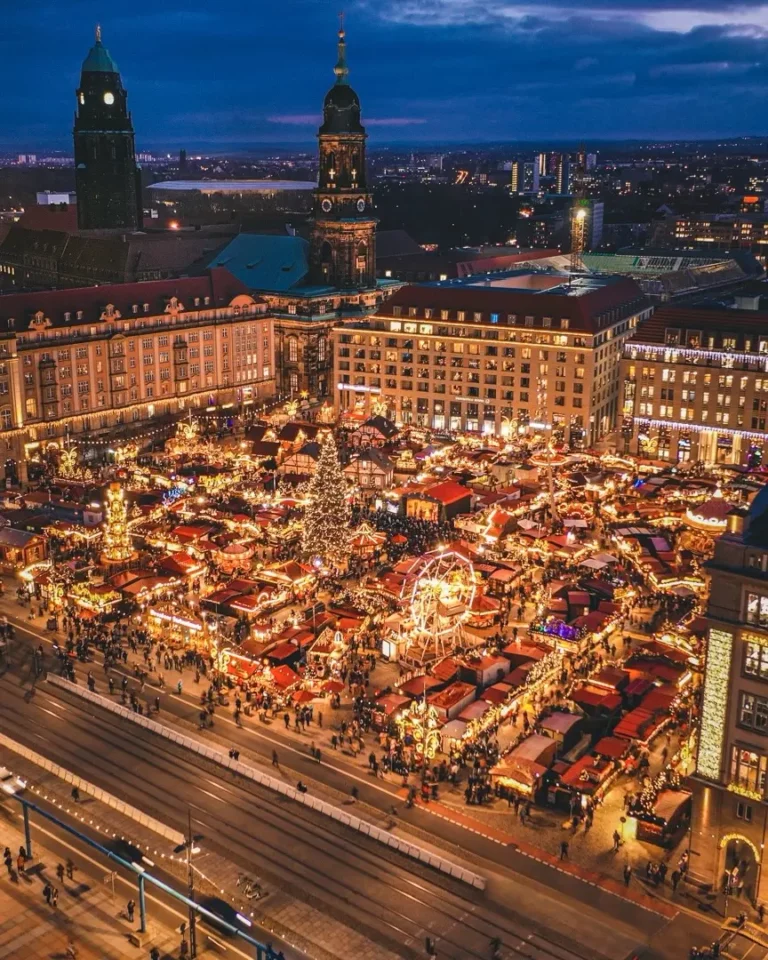
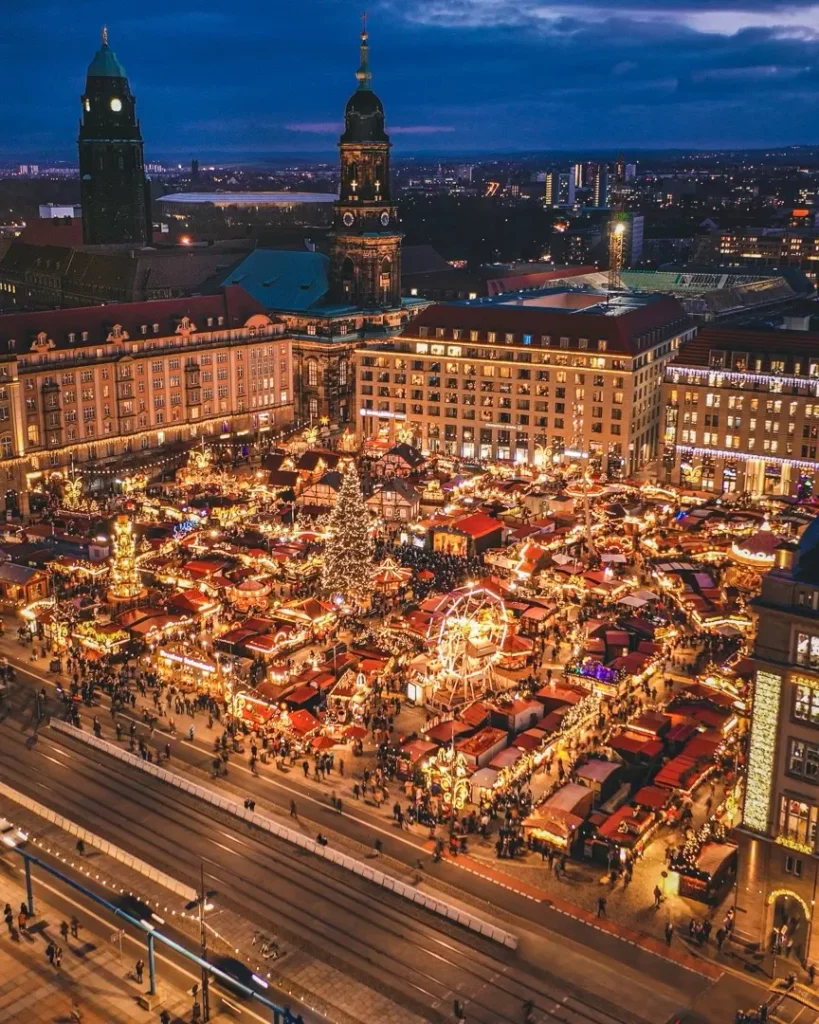
December markets sprang up where butchers, bakers, and craftsmen could sell with Dresden's Striezelmarkt first setting up its stalls in 1434.
That Striezelmarkt, named for the stollen, the region's Christmas bread, is the market that grew into the modern German Christmas market template, and it still runs today on the exact same square.
Since even the scholars get careful here, I'll be careful as well.
The historians who study this stuff are openly skeptical of city marketing departments' "oldest market" claims, while conceding that the genuinely "continually operating annual markets" include the old-timers: Dresden's Striezelmarkt (1434) and Nuremberg's Christkindlesmarkt ( with hard evidence from 1628).
The change that made it a Christmas market is… Martin Luther. In the 1500s, Luther re-cast gift-giving as the work of the Christkind, the Christ Child, a golden-haired figure in white and gold. Rather than St. Nicholas, whose day is December 6. Protestant Germany switched, the markets followed, and "Christkindlesmarkt" spread as the name.
Now we have Nuremberg still opening its market with a teenage girl playing Christkind and reciting a prologue from a church balcony.
By the way, Germany went from about 950 Christmas markets in the 1970s to roughly 3,000 by 2019… a genuine tripling, driven by local tourism boards deciding a market was the best way to get people outdoors in the bleakest weeks of the year.
They were right, and we all know it (it’s why we are here, aren’t we)?
How Many Christmas Markets Are There in Germany?
Nobody knows the exact number, I think.
Deutsche Welle says Germany has around 2,500 Christmas markets. Smithsonian Magazine says around 3,000 annually with National Geographic hedging with 2,500 to 3,000.
Nobody is counting them all because there is no central register of Weihnachtsmärkte where a mid-sized town decides to put 14 stalls around its fountain and doesn't file paperwork with anyone.
What the big-number estimates miss, though, is the local texture.
The real fact is simpler and better in my opinion. Nearly every German city has its own market, most towns have one too, and the big cities have a dozen or more each.
Berlin alone runs dozens. Munich runs twenty-odd. Cologne has eleven.
Since you cannot see them all (at least not in one season), you should stop trying.
A Germany Christmas market trip planned as a checklist is a trip spent on trains. You need to pick one region, go deep, and save the rest for next year… the whole point of a tradition with thousands of markets is that it will still be there next year when you come back.
How to Pick Your German Christmas Market?
This is the part where most guides list fifteen markets and wish you luck. I absolutely hate that.
I want to try and give you the decision framework I use.
The question that matters before you start planning your trip…what do you want the trip to be?
The best market in Germany is a different market depending on your answer.
Now, this entire guide is built to help you with this, but thousands of words on this page won’t necessarily do justice to 3,000 Christmas market options that Germany offers.
That’s why I invite you to browse through this website. I’ve already reviewed a lot of the German markets in detail, and each one holds very specific information I can’t force into this guide.
So the answer is broader… much broader than here. Don’t worry though, if you don’t have time, I am still going to try and offer some answers, the best way I can.
What You Must Do at a German Christmas Market
You can show up, wander, and have a fine time. That’s more than enough, and don’t let anybody tell you otherwise.
But if you ask me, there's a canonical order of operations, and it goes like this. Drink first, eat second, shop third, stick one ritual somewhere in between.
Let me try and walk you through it.
The drinks (this is where the trip lives)
Glühwein, obviously. Your mulled wine costs somewhere between €3–6 depending on the city, plus a Pfand (deposit) of another €3–5 on the ceramic mug.
You get the deposit back when you return the mug. Or, and this is absolutely the correct choice, you keep the mug, because every market designs its own and it’s really nice building a shelf of them.
After Glühwein, you can go for Feuerzangenbowle, or the "Fire tongs punch", a rum-soaked sugar cone suspended over the mulled wine, set on fire, so the caramel drips down into the glass.
Nuremberg's version is billed as the biggest in the world with 9,000 litres. A flaming sugar cone over a sea of glühwein is the best photo-op-to-actual-deliciousness ratio in the country.
Kinderpunsch is the non-alcoholic hot juice so kids and non-drinkers get in on the mug ritual too. It tastes like… if Christmas decided to become a juice box, but in a good way??
The food (eat your way down the list)
- Drei im Weggla - three tiny Nuremberg sausages in a bun with mustard. The bratwurst is to a German market what the croissant is to Paris, and this is the purest form of it. Goethe supposedly loved these little sausages so much he had them mailed to him in Weimar, which is the most relatable thing Goethe ever did.
- Lebkuchen - Nuremberg's protected gingerbread. The premium kind is Elisenlebkuchen: flourless, at least a quarter nuts, spiced with cinnamon, cloves, and cardamom. The famous Hexenhäuschen ("witches' house") stall smells so good you'll find it before you see it.
- Christstollen - Dresden's fruit-and-marzipan Christmas bread, sold with a seal from the local bakers' guild proving it's the real thing. If your trip lands on the Saturday before the second Advent, Dresden parades a multi-ton giant stollen through the old town, which is a tradition revived in 1994 from a 1730 stunt in which the Elector of Saxony ordered a 1.8-ton stollen and had a special oven built for it. Bavarian kings wish they partied this hard.
- Käsespätzle - egg noodles molten with cheese and fried onions, the best "I'm cold and need a plate of something" dish in the market.
- Gebrannte Mandeln - candied almonds. You will smell them, trust me. You will buy them, of course and… you will finish the bag before you've walked 200 meters.
The things to see, buy, and do
The one thing I love the most is woodcraft.
The Erzgebirge mountains near the Czech border are the world capital of wooden Christmas folk art with nutcrackers, incense smokers, spinning pyramids, candle arches etc.
The tradition grew straight out of the silver-mining towns because when the ore ran out, the miners started carving wood. A carved pyramid or smoker from a proper craft stall costs more than the imported stuff and is worth every euro, in my opinion.
I also like to hunt the local oddities. For example, Nuremberg's Zwetschgenmännla which are little figures made of dried prunes, figs, and wire. That's the souvenir nobody back home will have. Every region has its equivalent; finding it is half the point of going somewhere specific.
The Ones to Skip (and the Underrated Ones Worth the Detour)
Here's the section most guides won't write, because tourism boards send press trips and I don't take them.
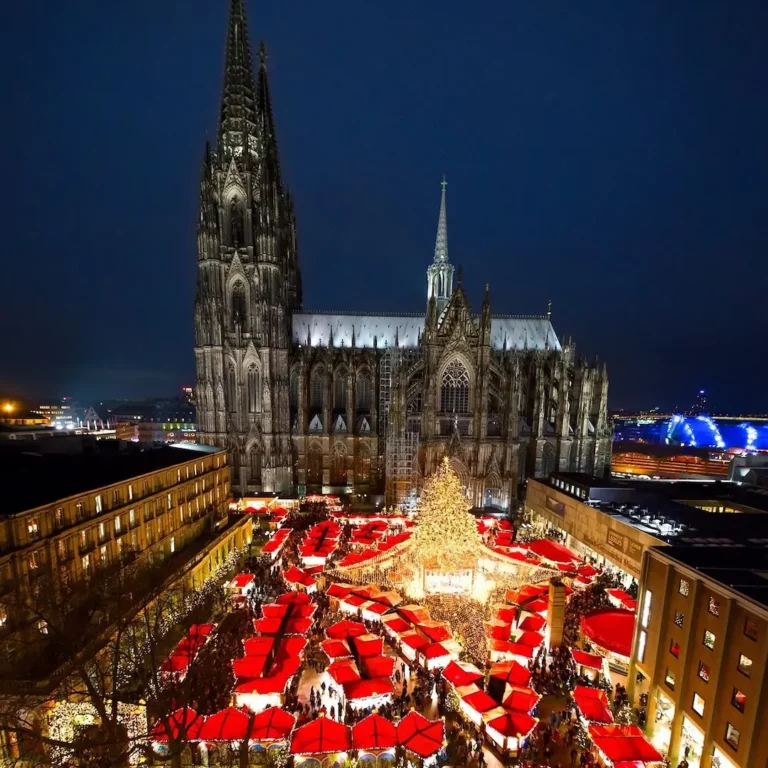
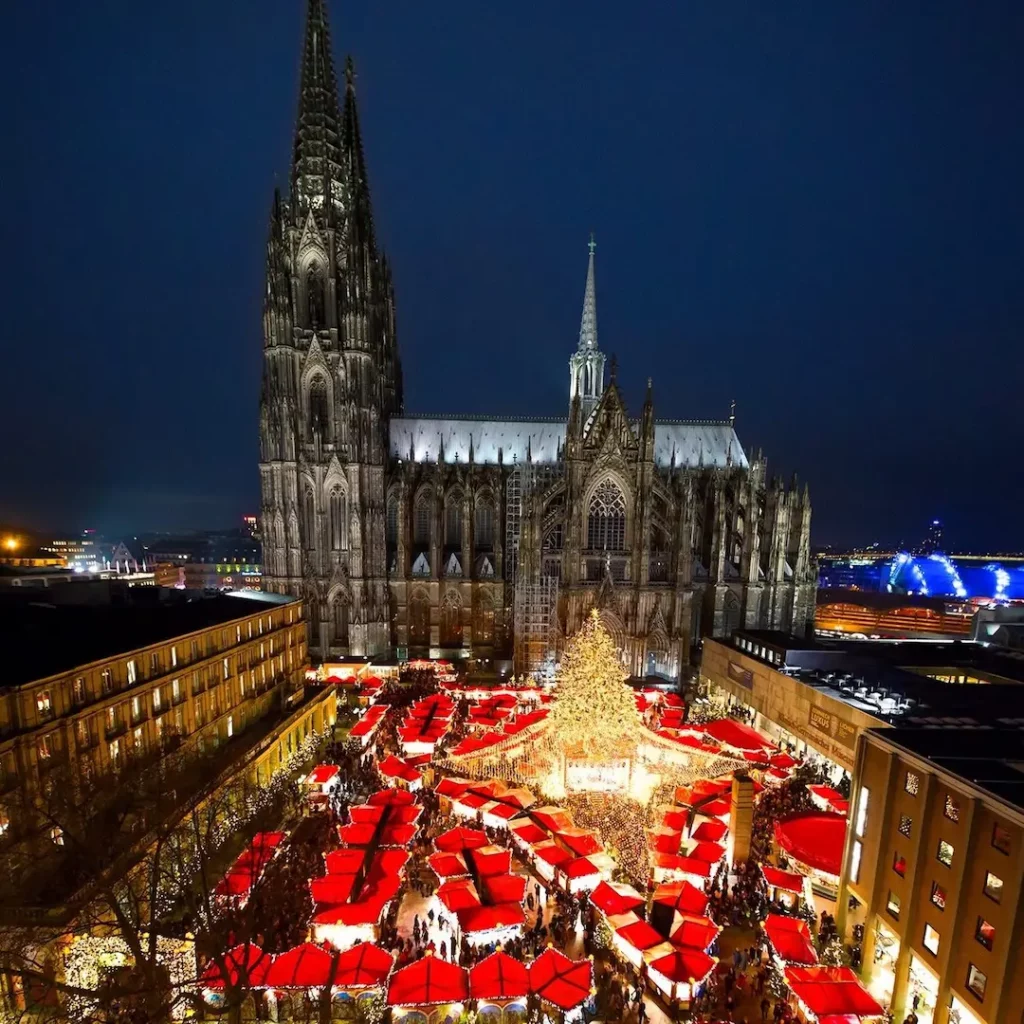
Skip, or at least, don't build your trip around the single most famous square on a Saturday night. Cologne's cathedral market draws over four million people a season, and on Saturday evening there is a shoulder-to-shoulder shuffle where you experience the cathedral mostly as a wall of other people's hoods.
Cologne itself is still worth it of course, but do the cathedral one on a weekday morning. The smarter move is almost always time-shifting, not necessarily skipping.
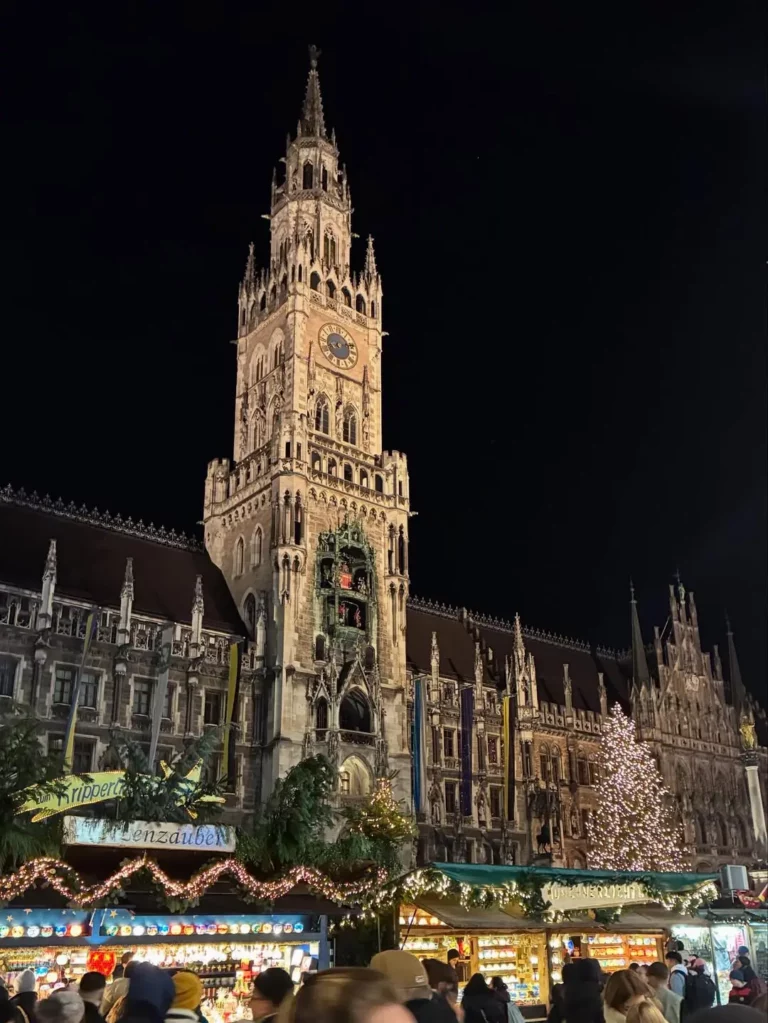
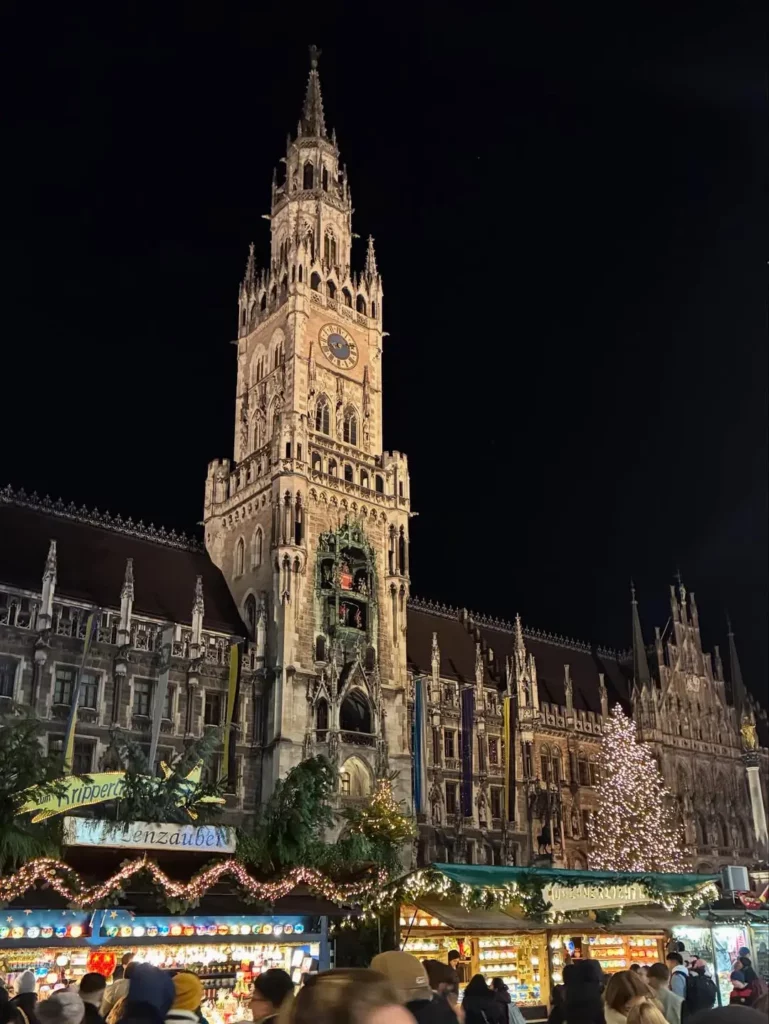
In my experience, Munich's Marienplatz is the weakest of the city's twenty-odd markets.
I know, it's the one on the postcards. It pulls three million people into a square that deserves maybe 15 minutes of your time, while locals walk five minutes on to Wittelsbacherplatz's medieval-style market, the Residenz courtyard, or the Rindermarkt with its grilled salmon fires.
Munich rewards the crawl and punishes the pilgrimage.
I’d also skip all the airport markets (still saying this with love). Munich Airport might run a decent one, but you are not flying thousands of miles to drink glühwein between Terminal 1 and Terminal 2. It's a last-day consolation prize, at best, nothing more than that.
And I’d walk past the tat stalls, which in the last decade have started colonizing even the good markets where you can see the same mass-produced phone cases and city-name socks you'd find in any mall.
What are some underrated spots?
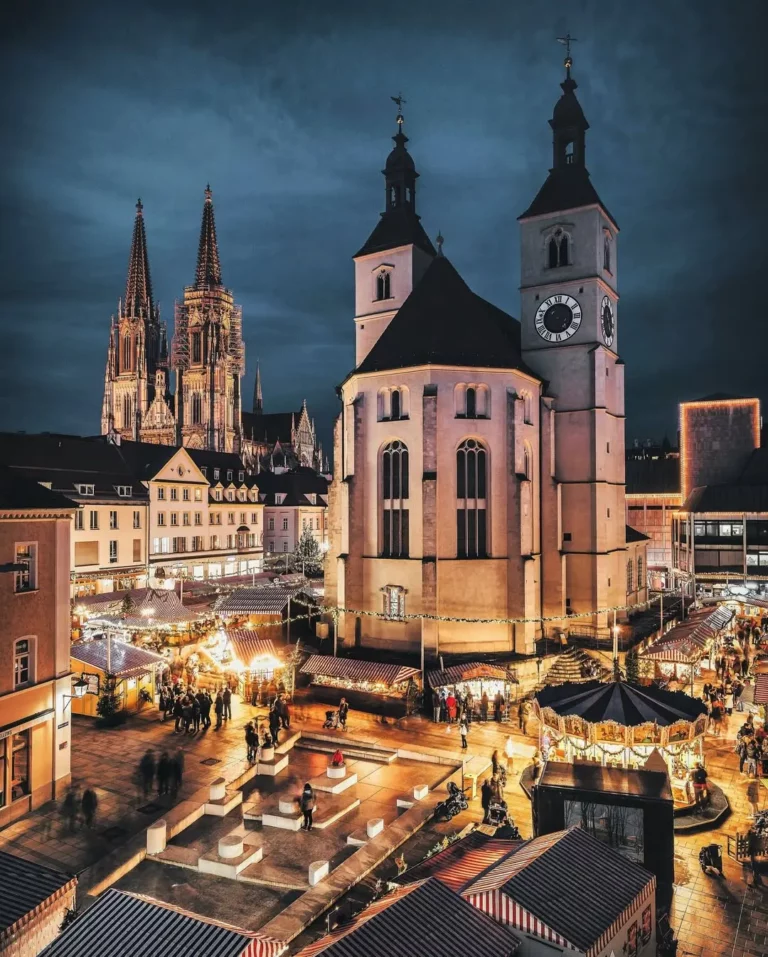
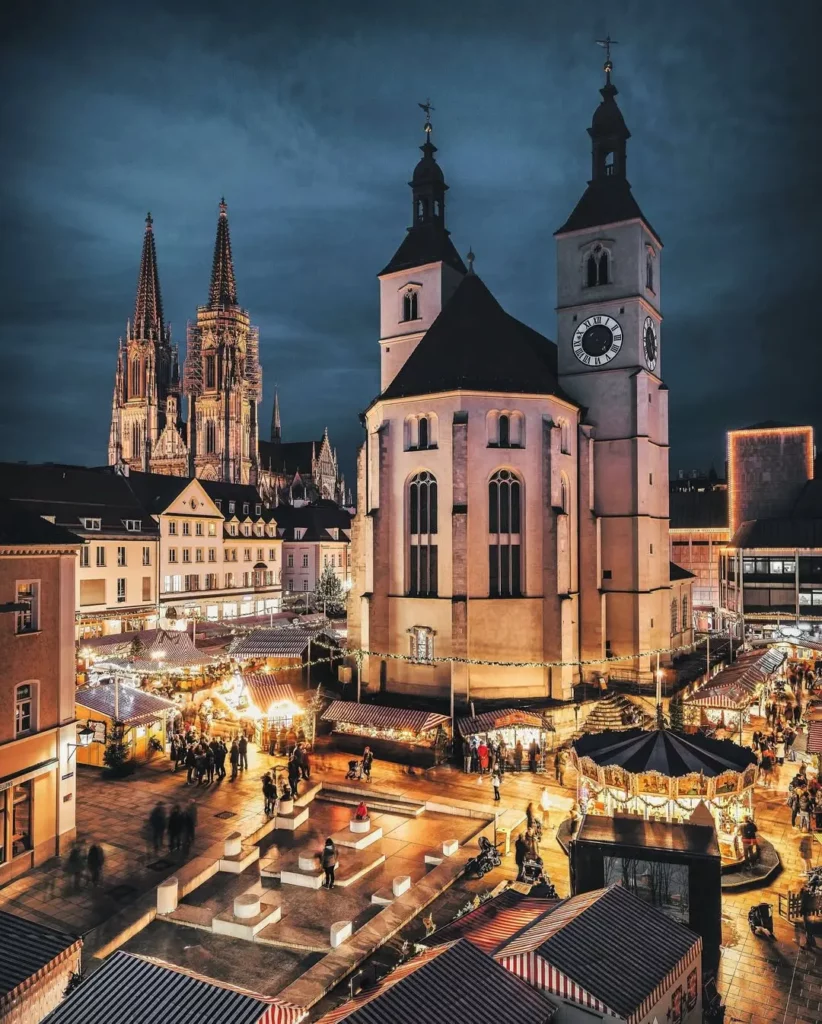
Regensburg is the best four-market crawl in Bavaria, in my experience, with 4 markets inside a two-kilometer walk of a UNESCO-listed old town that was never bombed and the paid one, in the Thurn und Taxis palace courtyard, is lit by torches and not fairy lights.
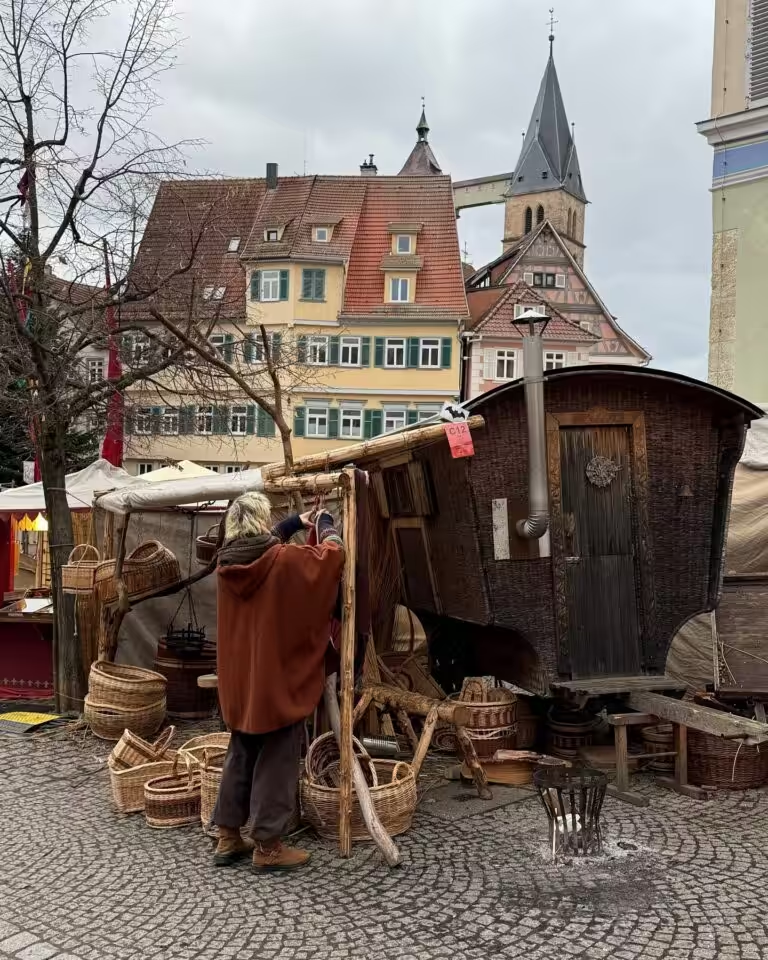
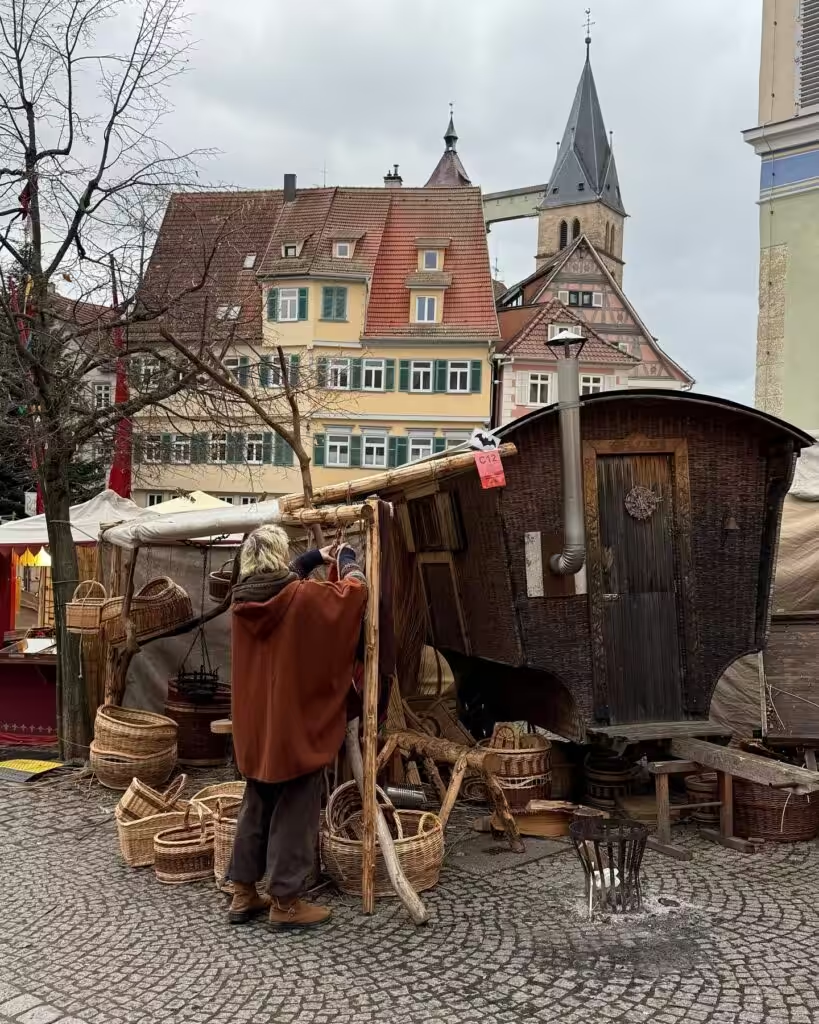
Esslingen is another weird one I keep pushing on people. Its medieval market runs blacksmiths, potters, and glassblowers in costume, with candles as far as lighting can reach and it lands as the real thing, zero corn.
It's 15 minutes from Stuttgart by S-Bahn, which makes it the easiest "something completely different" day trip in the country.
Dresden's Stallhof market is another escape inside the market-heavy city with a medieval market in the actual stable courtyard of the royal palace, with jugglers and mead instead of ferris wheels.
And all the small towns are underrated, generally. German locals consistently rate their own small-town markets above the big famous ones because… fewer queues, same glühwein, more actual Gemütlichkeit.
If your route passes a market that isn't on any English-language list, that's your cue to get off the train.
Getting Between Them: Germany by Train
If you take one practical thing from this guide, make it this: a German Christmas market trip is a train trip.
Three reasons:
- The markets sit next to the stations. In Nuremberg, Dresden, Cologne, Regensburg and nearly everywhere that matters… The Weihnachtsmarkt is a 10-minute walk from the Hauptbahnhof. No parking, no winter driving, no navigation.
- Glühwein. Nobody in your group has to be the designated driver.
- The cities pair up fast. The whole country is stitched together with short ICE and regional legs:
The Full Tour: A Germany Christmas Market Itinerary
Here's the trip I'd build and the one I send people on when they ask me to just tell them what to do.
It covers the three best-scored German markets in my Index, every train leg is under two hours, and it's structured so you're never dragging a suitcase through a market at midnight.
The route: Nuremberg → Munich → Regensburg (6 days)
Fly into Frankfurt (the biggest long-haul gateway with the best connections), run a clean triangle through Bavaria, and fly home from Munich. Three bases, five-plus markets per city if you want them, no rental cars necessary.
Day 1 (Thursday) - Frankfurt to Nuremberg. Take the ICE from Frankfurt Airport's long-distance station (about two hours). Arriving Thursday is deliberate because weekdays are the single biggest lever on how much you'll enjoy the famous markets, and this front-loads the quiet before the weekend.
Check in near the Hauptmarkt, then do a first, easy loop of the Christkindlesmarkt and find the 9,000-litre Feuerzangenbowle stand for your first night. If your dates line up with opening Friday, you get the Christkind's balcony prologue as a bonus.
Day 2 (Friday) - Nuremberg, with morning at the Imperial Castle and the Craftsmen's Courtyard while the stalls are quiet, then the full evening sequence with Drei im Weggla first, slow Hauptmarkt loop, the Sister Cities Market on Rathausplatz (24 stalls from Nuremberg's twin cities, proceeds to charity), lebkuchen at the Hexenhäuschen, and finish looking back at the Frauenkirche from across the square.
Day 3 (Saturday) - to Munich (about 1 hour by train). Yes, Munich on a weekend, deliberately, even if I just said something slightly contrary. The famous square is the one place you were told to skip, so the weekend crush matters less here than anywhere; steer straight for the local crawl. Wittelsbacherplatz's medieval-style market first, then the Residenz courtyard, then the Rindermarkt with its salmon fires. Saturday evening in Munich's side markets feels like a city entertaining itself.
Day 4 (Sunday) - Munich, your way, with the English Garden's Chinese Tower market in the morning, a beer hall lunch between museums, then whatever you missed. Munich has twenty-odd markets; you will not run out.
Day 5 (Monday) - to Regensburg (about 1.5 hours by train). This is the genius of this itinerary. Monday in Regensburg means the Thurn und Taxis palace market at €6.50 instead of Saturday's €13.50, in a market with actual elbow room. Wander the medieval old town by day, then spend the evening in the torchlit palace courtyard, in what I call the single most atmospheric setting of the whole trip. Sleep in the old town too.
Day 6 (Tuesday) - Regensburg to Munich airport, fly home (MUC). About two hours door to door with the airport leg. And since you're flying out of Munich… yes, the airport market gets one last glühwein. As established already, this is a consolation prize, but a pleasant one.
Are there tours that do this for you?
Yes, three kinds, and they're not equal:
- River cruises are the big one - Danube Christmas market cruises call at Regensburg (it's a river port) and other market towns, with your bed traveling with you. They're the low-effort version, and the trade-off is worth talking about. Cruises tend to give you ports in daylight windows, and German markets are at their best after dark with the lights, the crowd warmth… I mean the whole point. Cruising is for travelers who want someone else to fully handle December. Nothing wrong with that, of course, but the markets are a night culture, and trains let you stay out until the stalls close.
- Guided coach tours exist but I'd skip them.
- City walking tours are one exception. A couple of hours with a local guide on your first evening in a new city is money well spent, and you can book those per-city as you go.
So, Do Germans Do It Best?
I promised I'd defend both answers, so here's the verdict.
Germany does it the most, the most consistently, and the most honestly.
But the single best market in Europe isn't German, in my opinion.
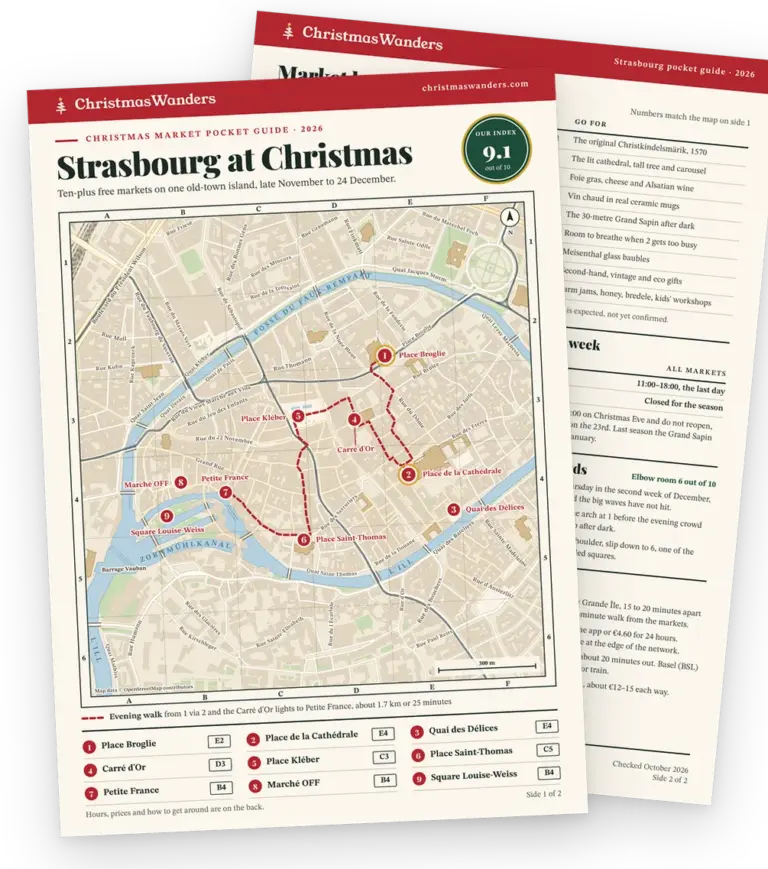
That's Strasbourg, at 9.1, and the French have earned it. Vienna, at 8.6, out-scales every German city for sheer number of markets in one walkable capital.
So the ledger reads: best country for Christmas markets, Germany, and it isn't close. Best individual market? That’s highly debatable, even with the Europe-wide ranking in front of you.
Which is exactly why you shouldn't pick one market at all.
Pick a country (pick this country) and pick the region that matches your December.
Then go back next year for another one. The markets have been multiplying since 1434 - they'll wait for you.